Introduction
In today’s fast-paced world, on-demand beauty service mobile apps have transformed how people access beauty treatments and services. From booking a hairstylist to scheduling a spa session, these apps bring convenience and personalization to users’ fingertips.
If you’re looking to tap into this growing market, developing a beauty service mobile app can be a game-changer for your business. In this comprehensive guide, we’ll walk you through the essential features, costs, and strategies needed to create a successful on-demand beauty app in 2025. Whether you’re an entrepreneur, a beauty professional, or a tech enthusiast, this article is your ultimate resource for beauty service app development.

What is a Beauty Service Mobile App?
A beauty service mobile app is a digital platform designed to connect users with professional beauty service providers. Whether it’s booking a hairstylist, scheduling a spa treatment, or arranging a wellness consultation, these apps offer a seamless experience by bringing beauty services directly to the user’s fingertips. They cater to the growing demand for convenience and personalized services in the beauty industry, making them an essential tool for modern businesses.
The Role of Beauty Service Mobile App Development
The process of beauty service mobile app development involves creating a robust, user-friendly, and feature-rich platform that bridges the gap between service providers and clients. From designing an intuitive interface to integrating essential functionalities like booking systems and payment gateways, app development plays a crucial role in the success of beauty service platforms.
Understanding On-Demand Beauty App Development
On-demand apps have revolutionized how consumers access services, and beauty is no exception. On-demand beauty app development focuses on creating applications that allow users to schedule appointments in real-time, browse available professionals, and access services instantly. This approach caters to busy individuals who value convenience and efficiency, a key factor driving the popularity of such apps.
Key Features of a Mobile App for Beauty Services
A successful mobile app for beauty services includes a variety of features that enhance user experience and streamline operations for providers. Essential beauty service app features include:
- Real-Time Booking and Scheduling: Enables users to view available slots and book appointments instantly.
- Secure Payment Options: Offers multiple payment methods, including digital wallets and in-app payments.
- Personalized Recommendations: Uses AI to suggest services based on user preferences and history.
- Push Notifications: Keeps users updated about special offers, reminders, and new services.
- Ratings and Reviews: Allows users to share feedback and helps others make informed decisions.
Why Develop a Beauty Service App?
Businesses investing in developing beauty service apps gain a competitive edge in the ever-growing digital marketplace. These apps not only enhance brand visibility but also improve customer satisfaction and loyalty. By offering a platform that prioritizes user convenience and modern technology, beauty businesses can tap into new revenue streams and market segments.
The Impact of Beauty Service Apps on the Industry
The rise of beauty apps signifies a major shift in how the beauty industry operates. By providing a digital-first solution, these platforms have made it easier for users to discover, book, and enjoy beauty services from the comfort of their homes. For businesses, these apps streamline operations, reduce administrative tasks, and open doors to a wider audience.
In conclusion, investing in beauty service mobile app development is more than just a trend—it’s a necessity for businesses looking to stay ahead in a competitive and tech-driven market. By incorporating on-demand beauty app development principles and focusing on user-centric design, companies can create impactful platforms that transform how beauty services are delivered and consumed.
Benefits of Developing a Beauty Service Mobile App
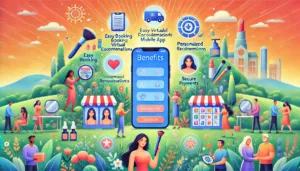
The beauty industry is evolving rapidly, driven by the increasing demand for convenience and personalized experiences. Beauty service mobile app development has emerged as a game-changer for businesses looking to cater to tech-savvy consumers. By offering a digital solution, beauty service apps empower businesses to meet customer expectations while expanding their market reach. Here are the key benefits of investing in a mobile app for beauty services:
1. Unparalleled Convenience for Users and Providers
One of the primary advantages of on-demand beauty app development is the unparalleled convenience it offers. Users can book beauty services anytime, anywhere, without the hassle of waiting in queues or making phone calls. For service providers, these apps simplify operations, ensuring a seamless experience for clients and staff alike.
- For Users:
- Instant booking with real-time availability.
- Easy access to service menus and pricing.
- Personalized recommendations based on preferences.
- For Providers:
- Streamlined appointment scheduling and management.
- Automated reminders and updates to reduce no-shows.
- Direct communication channels with clients.
2. Enhanced Revenue Opportunities
By investing in developing beauty service apps, businesses can tap into a broader audience, boosting their revenue potential. These apps open the door to innovative revenue streams and allow beauty brands to stay competitive in a tech-driven marketplace.
- Monetization Models:
- Commission-based earnings from service bookings.
- Premium listings for beauty professionals.
- Subscription plans for exclusive access to certain features.
- Expanding Reach:
- Attracting younger, tech-savvy demographics.
- Offering services to clients in new geographic locations.
3. Improved Customer Retention Through Personalization
Personalization is a hallmark of successful beauty service mobile app development. By leveraging user data, these apps create tailored experiences that foster customer loyalty.
- Features for Personalization:
- AI-driven service recommendations.
- Customized beauty packages based on user history.
- Loyalty programs and exclusive discounts.
- Why It Matters:
Personalization not only enhances user satisfaction but also increases the likelihood of repeat bookings, strengthening customer retention in a competitive market.
4. Competitive Advantage Through Innovative Features
A mobile app for beauty services equipped with cutting-edge technology gives businesses a significant edge over competitors. Key beauty service app features like real-time stylist availability, secure payment options, and AR-enabled virtual try-ons elevate the user experience.
- Examples of Innovation:
- Virtual makeup or hairstyle trials with augmented reality.
- In-app consultations with beauty professionals via video calls.
- AI chatbots for 24/7 customer support and FAQs.
By adopting such features, businesses can position themselves as industry leaders and attract a larger clientele.
5. Streamlined Operations and Cost Efficiency
A beauty service mobile app not only benefits customers but also streamlines business operations, reducing costs and improving efficiency.
- Operational Benefits:
- Automated booking and payment processes save time and resources.
- Data analytics tools provide insights into customer behavior and preferences.
- Inventory management systems integrated into the app help track product usage and stock levels.
6. Building Brand Authority and Visibility
Incorporating on-demand beauty app development into your business strategy can significantly enhance brand visibility. With a dedicated app, your brand becomes more accessible to customers, strengthening your presence in the market.
- Marketing Advantages:
- Apps provide a direct channel for promotions and offers via push notifications.
- Integration with social media platforms increases engagement and drives organic traffic.
- Positive reviews and ratings within the app build credibility and attract new customers.
Why Invest in Beauty Service Mobile App Development?
The decision to develop beauty service apps is more than a technological upgrade—it’s a strategic move to future-proof your business. By embracing digital transformation, beauty brands can deliver exceptional value to customers while ensuring sustainable growth. From improved user experiences to higher revenue potential, the benefits of beauty service mobile app development make it an essential investment for any forward-thinking beauty business.

Top Features for On-Demand Beauty Apps in 2025
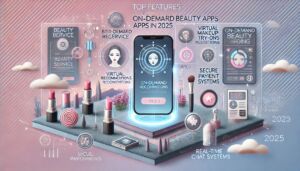
The success of a beauty service mobile app development project hinges on the inclusion of features that meet user demands while keeping up with industry trends. Modern customers expect seamless functionality, personalized experiences, and innovative technologies from a mobile app for beauty services. Here’s a detailed look at the top beauty service app features to include when you develop a beauty service app in 2025:
1. User-Friendly Appointment Booking
At the core of every on-demand beauty app development project is a booking system that’s intuitive and quick. Simplifying the process of scheduling beauty services enhances user satisfaction and engagement.
- Key Functionalities:
- Calendar integration to view and select available slots.
- Flexible scheduling options for recurring appointments.
- Real-time updates on service availability.
- Why It’s Important:
A hassle-free booking system makes the app more accessible to all users, from tech-savvy millennials to less tech-adept audiences.
2. Real-Time Stylist Availability and Scheduling
A feature that allows users to view the live availability of beauty professionals is a game-changer. It ensures transparency and helps users plan their appointments conveniently.
- Core Features:
- Dynamic display of available stylists and services.
- Ability to select specific professionals based on ratings or specialties.
- Instant notifications for canceled or rescheduled slots.
- Benefits for Businesses:
Service providers can optimize their schedules, avoid overlaps, and reduce downtime.
3. Secure and Diverse Payment Options
Payment security is a top priority in beauty service mobile app development. Offering multiple payment methods with robust encryption builds trust and ensures seamless transactions.
- Features to Include:
- Support for credit/debit cards, e-wallets, and in-app purchases.
- One-tap payment options like Apple Pay and Google Pay.
- Split payment options for group bookings or package deals.
- Advanced Security Measures:
- PCI DSS compliance for payment security.
- Two-factor authentication and fraud detection systems.
4. Personalized User Experience
Personalization is a cornerstone of successful on-demand beauty app development. Tailored recommendations and content keep users engaged and coming back.
- Personalization Features:
- AI-powered recommendations for beauty services based on user history.
- Customized beauty packages and loyalty rewards.
- User profiles with saved preferences, previous appointments, and favorite providers.
- Why It’s Critical:
Personalized experiences foster customer loyalty and differentiate your app in a crowded market.
5. Advanced Technologies: AI, AR, and Chatbots
Staying ahead in 2025 means integrating the latest technologies to enhance user engagement and satisfaction.
- AI (Artificial Intelligence):
- Personalized service recommendations based on user data.
- Predictive analytics for future appointments and trends.
- AR (Augmented Reality):
- Virtual makeup trials to let users preview different looks.
- Hairstyle simulations to experiment with cuts and colors.
- Chatbots:
- 24/7 support for inquiries, FAQs, and appointment assistance.
- Multilingual support for global audiences.
6. Push Notifications for Better Engagement
Push notifications are vital for maintaining user engagement and driving app activity.
- What to Notify Users About:
- Appointment reminders and confirmations.
- Exclusive deals, promotions, and seasonal discounts.
- Updates on new services or features.
- Pro Tip:
Personalize notifications based on user preferences to increase click-through rates.
7. Ratings, Reviews, and Feedback Systems
Users value transparency when selecting beauty services. Incorporating ratings and reviews builds trust and encourages informed decisions.
- Key Features:
- Allow users to rate and review professionals after appointments.
- Display average ratings prominently for each service provider.
- Enable service providers to respond to feedback, fostering communication.
8. Loyalty Programs and Rewards
A well-implemented loyalty program is an effective strategy to retain users and incentivize repeat bookings.
- Program Features:
- Points-based system for bookings and referrals.
- Exclusive rewards, such as discounts or free services, for loyal customers.
- VIP memberships with additional benefits like priority booking.
9. In-App Communication and Video Consultations
Streamline communication between users and service providers with built-in messaging and consultation features.
- Must-Have Features:
- Secure in-app messaging to discuss preferences or requests.
- Video consultation options for personalized beauty advice.
- Notifications for quick updates or clarifications.
10. Multi-Platform and Multi-Device Compatibility
Your mobile app for beauty services should cater to users across devices and platforms.
- Compatibility Features:
- Available on both iOS and Android platforms.
- Cross-device functionality for seamless switching between phones, tablets, and desktops.
- Progressive web app (PWA) options for users who prefer browser-based access.
Why These Features Matter for Beauty Service Mobile App Development
By integrating these cutting-edge features into your beauty service mobile app development process, you not only enhance user satisfaction but also create a platform that stands out in the competitive landscape of on-demand beauty app development. Focus on innovation, user-centric design, and robust functionality to ensure long-term success for your app. Ready to build your beauty app? Contact us today!
How to Develop a Beauty Service Mobile App
Developing a beauty service mobile app involves a combination of strategic planning, innovative technology, and user-centric design. The goal is to create a seamless, feature-rich platform that enhances user experience and meets the operational needs of beauty service providers. Here’s a step-by-step guide to successful beauty service mobile app development, incorporating insights on on-demand beauty app development, key beauty service app features, and essential considerations.
1. Market Research and Defining Your Niche
Before diving into mobile app for beauty services development, it’s critical to conduct thorough market research to identify trends, target audiences, and potential competitors.
- Identify Your Audience:
- Who are you targeting (e.g., busy professionals, millennials, families)?
- What specific services are they seeking?
- Analyze Competitors:
- Study existing on-demand beauty apps and identify gaps in their features or user experience.
- Benchmark top players in the industry to understand what works.
- Define Your Unique Value Proposition (UVP):
- Determine what will set your app apart, such as eco-conscious features, advanced technology (e.g., AI/AR), or exclusive services.
2. Outline Essential Beauty Service App Features
Incorporate features that cater to both users and service providers, ensuring a balance of usability and innovation. Key beauty service app features include:
- User Features:
- Real-time booking and scheduling.
- Personalized service recommendations.
- Secure payment options and loyalty rewards.
- Provider Features:
- Service management tools.
- Performance analytics.
- Instant notifications for bookings or cancellations.
3. Create a Wireframe and Prototype
A wireframe is a blueprint for your app, outlining its layout, navigation, and overall functionality. It helps you visualize the user journey and identify potential pain points before development begins.
- Steps in Wireframing:
- Map out user workflows (e.g., booking a service, leaving a review).
- Focus on intuitive navigation and minimalist design.
- Prototype Development:
- Use tools like Figma or Adobe XD to create interactive prototypes.
- Test prototypes with a small group of users to gather feedback.
4. Choose the Right Technology Stack
Selecting the right technology stack is crucial for creating a scalable, efficient, and secure app.
- For Frontend Development:
- Use frameworks like React Native or Flutter for cross-platform compatibility.
- For Backend Development:
- Opt for robust languages like Node.js, Ruby on Rails, or Python.
- Database Management:
- Use databases like Firebase, MongoDB, or MySQL to handle user data securely.
- Cloud Storage and Hosting:
- Leverage AWS, Google Cloud, or Microsoft Azure for scalability and performance.
5. Collaborate with an Experienced Development Team
Partnering with professionals experienced in beauty service mobile app development ensures a smoother development process and a higher-quality final product.
- What to Look for in a Team:
- Expertise in on-demand beauty app development.
- A portfolio of successful apps with similar features.
- Strong communication and project management skills.
- Development Models:
- In-House Development: Ideal for full control but may be costly.
- Outsourcing: Cost-effective, especially for startups.
- Hybrid Model: Combine in-house oversight with outsourced execution.
6. Build an MVP (Minimum Viable Product)
A Minimum Viable Product is a scaled-down version of your app with only the core beauty service app features.
- Why Start with an MVP:
- Validate your idea with real users.
- Gather feedback for improvements.
- Reduce initial development costs and risks.
- Features to Include in the MVP:
- Basic booking system.
- User registration and profile management.
- Payment gateway integration.
7. Focus on Scalability and Security
As your app grows, it’s essential to ensure that it can handle an increasing number of users without compromising performance.
- Scalability Strategies:
- Use microservices architecture to handle high traffic efficiently.
- Opt for a cloud-based infrastructure for flexibility.
- Security Best Practices:
- Encrypt sensitive user data like payment details.
- Implement two-factor authentication (2FA) and secure login protocols.
- Regularly update the app to patch vulnerabilities.
8. Test Thoroughly and Gather Feedback
Testing is an essential step in developing a beauty service app to ensure a bug-free, user-friendly experience.
- Types of Testing:
- Functional Testing: Check that all features work as intended.
- Usability Testing: Evaluate the app’s ease of use.
- Load Testing: Ensure the app performs well under high traffic.
- Beta Testing:
- Release the app to a small group of users to identify real-world issues.
- Use feedback to make final improvements before launch.
9. Launch and Market Your App
A successful launch requires a well-planned marketing strategy to attract users and create buzz.
- Pre-Launch Strategies:
- Build a landing page with app details and a signup form.
- Use social media to tease features and gather interest.
- Post-Launch Strategies:
- Offer promotions or discounts to first-time users.
- Leverage influencer marketing to reach a larger audience.
- Encourage users to leave reviews and ratings.
10. Continuously Improve with User Feedback
The journey doesn’t end with the app’s launch. Regular updates and improvements are crucial for staying competitive.
- Post-Launch Enhancements:
- Add new features based on user demand.
- Fix bugs promptly to maintain a positive user experience.
- Stay updated on industry trends to implement relevant innovations.
Why Invest in Beauty Service Mobile App Development?
Investing in beauty service mobile app development allows businesses to capitalize on the growing demand for convenience and personalization. By integrating essential beauty service app features and focusing on user experience, you can create a platform that sets new standards in on-demand beauty app development. With the right strategy, your app can become an indispensable tool in the beauty industry.

How Much Does It Cost to Develop a Beauty Service App?
The cost of beauty service mobile app development varies depending on several factors, such as the app’s complexity, features, platform, and development approach. Understanding these cost components is essential for planning your budget and making informed decisions. Below, we’ll break down the costs and considerations for on-demand beauty app development to give you a clear picture of what to expect.
1. Cost Breakdown for Developing a Beauty Service App
A. App Complexity:
The complexity of your mobile app for beauty services is a major determinant of cost.
- Basic App:
- Features: User registration, booking system, and payment integration.
- Estimated Cost: $10,000–$25,000.
- Intermediate App:
- Features: Advanced scheduling, user profiles, and notifications.
- Estimated Cost: $25,000–$50,000.
- Advanced App:
- Features: AI-based recommendations, AR virtual try-ons, and multilingual support.
- Estimated Cost: $50,000–$100,000 or more.
B. Platform Choice:
Deciding whether to develop for iOS, Android, or both affects the overall cost.
- Single Platform Development:
- Estimated Cost: $10,000–$30,000.
- Cross-Platform Development:
- Using tools like React Native or Flutter can save costs.
- Estimated Cost: $30,000–$60,000.
C. Feature Set:
The more advanced the beauty service app features, the higher the cost.
- Standard Features:
- Booking system, payment gateway, user profiles.
- Estimated Cost: $10,000–$20,000.
- Advanced Features:
- Real-time availability tracking, AR/AI functionalities, and chatbots.
- Estimated Cost: $20,000–$50,000.
D. Design and User Experience:
Investing in a sleek, user-friendly design can elevate your app’s appeal but also increase costs.
- Basic Design: $5,000–$10,000.
- Custom and Interactive Design: $15,000–$25,000.
E. Development Team:
Hiring the right team for your on-demand beauty app development project influences costs.
- Freelancers: $15–$50/hour (depending on location).
- App Development Agencies: $50–$150/hour (depending on expertise and region).
- In-House Team: Higher upfront cost but greater control.
2. Factors That Affect the Cost of Beauty Service Mobile App Development
A. Features and Functionalities
The inclusion of advanced functionalities such as AI, AR, or analytics tools will significantly impact the cost.
- Example: Adding AR for virtual makeup trials may cost an additional $10,000–$20,000.
B. Platform and Device Compatibility
Developing an app for multiple platforms (e.g., iOS and Android) and ensuring compatibility across devices increases development time and cost.
C. Development Approach
- Custom Development: Fully tailored apps are more expensive but offer maximum flexibility.
- Template-Based Solutions: Cost-effective but may limit customization.
D. Testing and Maintenance
Ongoing maintenance is crucial for long-term app success. Allocate 15–20% of the initial development cost annually for updates, bug fixes, and new feature integrations.
3. Cost-Saving Tips for Entrepreneurs
A. Start with a Minimum Viable Product (MVP)
Launching an MVP allows you to test your idea with core beauty service app features before investing in full-scale development.
- Benefits:
- Lower upfront costs.
- Collect real-world feedback to guide future updates.
B. Outsource Development to Cost-Effective Regions
Hiring developers from regions like Eastern Europe, Southeast Asia, or Latin America can reduce costs without compromising quality.
C. Leverage Pre-Built Tools
Using pre-built APIs or templates for features like payment gateways and notifications can save development time and expenses.
D. Use Scalable Cloud Services
Opt for cloud-based infrastructure to reduce server costs and ensure scalability as your user base grows.
4. Additional Costs to Consider
A. Marketing and Promotion:
- Estimated Cost: $5,000–$15,000 for initial launch campaigns.
- Includes social media ads, influencer collaborations, and app store optimization (ASO).
B. App Store Fees:
- Apple App Store: $99/year.
- Google Play Store: $25 (one-time fee).
C. Licensing and Compliance:
Ensure compliance with data protection regulations like GDPR.
- Estimated Cost: $2,000–$5,000.
Why Invest in Beauty Service Mobile App Development?
Investing in beauty service mobile app development is a strategic decision for businesses aiming to stay competitive in the beauty industry. With careful planning, smart budgeting, and a focus on user-centric features, you can create a profitable mobile app for beauty services that meets the needs of modern consumers. By understanding the costs and benefits, you’ll be better prepared to build a platform that stands out in the competitive landscape of on-demand beauty app development. Ready to build your beauty app? Contact us today!
Revenue Models for Beauty Service Mobile App Development
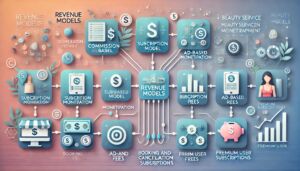
The growth of mobile apps for beauty services has revolutionized the way users access on-demand beauty solutions. Whether it’s booking a hairstylist, makeup artist, or skincare expert, these apps provide seamless convenience. To ensure success and sustainability, it’s essential to choose the right revenue models during the on-demand beauty app development process. Below are key strategies to monetize and grow your platform effectively.
1. Commission-Based Model
One of the most popular methods in beauty service mobile app development is the commission-based model. In this structure, service providers pay a percentage of each transaction to the app platform. This approach aligns with the app’s success, making it scalable and performance-driven. Many successful beauty service apps use this model to ensure a fair and continuous revenue flow as user engagement increases.
2. Subscription Plans for Service Providers
Offering subscription plans is another excellent strategy when developing a beauty service app. By introducing tiered pricing models, service providers can pay monthly or annually to access enhanced features such as premium visibility, advanced analytics, promotional tools, or early access to new app functionalities. This not only drives revenue but also ensures service providers remain engaged with the platform.
3. Ad-Based Monetization Strategies
Ad-based revenue models can be particularly effective when integrated thoughtfully during on-demand beauty app development. Collaborations with beauty brands to feature targeted ads within the app help promote products while generating revenue. These partnerships often offer mutual benefits—beauty brands gain visibility, while the app maintains user engagement without compromising the user experience.
4. Booking and Cancellation Fees
Adding booking fees to user transactions or charging a small cancellation fee can contribute to revenue while discouraging no-shows. These features enhance the app’s efficiency and help maintain trust between users and service providers.
5. Premium User Subscriptions
For users seeking a more tailored or enhanced experience, a beauty service app can offer premium subscription plans. These may include features like personalized recommendations, exclusive beauty services, or priority booking options.
Conclusion
By combining various monetization strategies and incorporating innovative beauty service app features, mobile app developers can create a sustainable business model that benefits both users and service providers. Thoughtful execution during the development process ensures a seamless experience for users while maximizing revenue potential for the platform. Investing in the right strategies during beauty service mobile app development is key to long-term success in this growing market.
Success Stories: Achievements in Beauty Service Mobile App Development
The rapid rise of mobile apps for beauty services has transformed the beauty industry, bringing on-demand beauty app development to the forefront of innovation. From simplifying booking experiences to offering personalized beauty consultations, these platforms have redefined convenience and customer engagement. Let’s explore how leading beauty service apps have achieved market dominance and uncover valuable lessons for those looking to develop beauty service apps.
Case Study: Market Leaders in Beauty Service Mobile App Development
Successful beauty service apps like TapStyle have captivated users with cutting-edge beauty service app features and seamless user experiences. These apps stand out by integrating smart functionalities such as:
- On-Demand Booking: Real-time appointment scheduling that connects users with professionals instantly.
- Personalized Recommendations: AI-driven suggestions tailored to user preferences and previous bookings.
- Secure Payments and Reviews: Simplified payment methods and authentic customer reviews build trust and user satisfaction.
- Loyalty Programs: Incentives and rewards encourage repeat bookings, enhancing customer retention.
Their commitment to enhancing both service provider efficiency and user engagement has propelled them to market leadership.
Lessons from Successful On-Demand Beauty App Development
Emerging startups in beauty service mobile app development have faced challenges and celebrated triumphs while redefining industry standards. Here are some key takeaways:
- Focus on User Experience: Apps that prioritize intuitive navigation, smooth booking flows, and engaging interfaces see higher retention rates.
- Service Provider Partnerships: Building strong relationships with trusted beauty professionals ensures high-quality services and boosts customer satisfaction.
- Innovative Beauty Service App Features: Offering features like virtual consultations, in-app product sales, and loyalty rewards keeps users engaged and sets your app apart.
- Scalability and Flexibility: Apps must be built to scale, accommodating growing user demand and evolving market trends seamlessly.
Inspiration for Your Beauty Service Mobile App Development
As the demand for mobile apps for beauty services continues to grow, learning from industry leaders can offer a roadmap to success. Incorporating strategic features and ensuring a user-centric approach will help position your app as a market leader. By embracing innovation and adapting to emerging trends, you can develop a beauty service app that meets user needs while driving growth and market impact.
Trends Shaping the Future of Beauty Service Mobile App Development in 2025
The beauty industry is undergoing a digital transformation driven by technological advancements and changing consumer preferences. As businesses focus on on-demand beauty app development, incorporating innovative beauty service app features is essential for staying ahead. Below are key trends shaping the future of mobile apps for beauty services, offering insights for those looking to develop a beauty service app.
1. AI and AR for Enhanced User Experiences
Artificial Intelligence (AI) and Augmented Reality (AR) are revolutionizing beauty service mobile app development:
- Personalized Recommendations: AI analyzes user preferences, skin types, and previous choices to suggest tailored beauty treatments and products.
- Virtual Previews: AR technology allows users to virtually try out hairstyles, makeup, or skincare treatments before booking services or purchasing products.
- Improved Customer Support: AI-powered chatbots provide instant assistance, streamlining the customer service process.
These features create a more interactive and engaging experience, making them must-haves in modern beauty service apps.
2. Eco-Friendly and Sustainable Beauty Apps
As consumers become more environmentally conscious, sustainability is influencing on-demand beauty app development:
- Promoting Green Practices: Mobile apps for beauty services now highlight eco-conscious providers using reusable packaging, organic ingredients, or cruelty-free products.
- Sustainability Rewards: Beauty service apps encourage users to choose eco-friendly options by offering rewards for sustainable practices.
This trend aligns with consumer values, fostering loyalty and promoting positive environmental impacts.
3. Social Commerce Integration for Greater Engagement
The fusion of social media and e-commerce is transforming the way users discover and engage with beauty services:
- Shoppable Content: Users can browse and purchase beauty products directly within the app while watching tutorials or exploring influencer recommendations.
- Community Sharing: Integrated social features allow users to share reviews, tips, and experiences, driving organic app growth.
- User-Generated Content: Encouraging users to post their beauty transformations fosters community engagement and brand trust.
Embracing Innovation in Beauty Service Mobile App Development
To stay competitive, businesses must adapt to these emerging trends and incorporate them into the development process. By leveraging AI, AR, sustainability features, and social commerce integration, beauty service apps can offer unparalleled user experiences and establish themselves as market leaders in this rapidly evolving industry.
Challenges in Beauty Service Mobile App Development and Solutions to Overcome Them
In the rapidly evolving landscape of on-demand beauty app development, businesses face unique challenges in creating successful platforms that attract and retain users. To develop a beauty service app that meets market demands, addressing these hurdles strategically is essential. Below are common challenges in beauty service mobile app development and actionable solutions to overcome them.
1. Managing User Expectations
Modern users have high expectations for seamless functionality and engaging experiences in mobile apps for beauty services. Balancing user demands with development constraints can be challenging.
Solution:
- Prioritize Core Features: Focus initially on essential beauty service app features, such as smooth appointment booking, secure payment processing, and reliable communication with service providers.
- Iterative Enhancements: Once the core app is stable, introduce additional functionalities like personalized recommendations, loyalty programs, or virtual beauty consultations.
- User Feedback: Regularly gather user insights to refine features and ensure the app evolves according to market needs.
2. Ensuring App Security and Data Privacy
With sensitive user information such as personal details and payment data being shared, maintaining security is a critical component of beauty service mobile app development.
Solution:
- Implement Strong Encryption: Secure user data with advanced encryption techniques to protect information from breaches.
- Secure Payment Gateways: Integrate trusted payment systems with robust security protocols to ensure safe transactions.
- Compliance with Regulations: Adhere to data protection laws such as GDPR or CCPA to build user trust and avoid legal complications.
3. Staying Ahead of Industry Competition
The growing demand for mobile apps for beauty services means increased competition in the market. Standing out requires continuous innovation and adaptation to emerging trends.
Solution:
- Adopt Emerging Technologies: Leverage AI, AR, and machine learning to enhance user experiences and provide innovative beauty service app features.
- User Experience Optimization: Focus on creating an intuitive interface and ensuring a seamless booking journey for users.
- Data-Driven Improvements: Use analytics to track user behavior and optimize app features to meet evolving preferences.
Why Choose Us for Developing Your Beauty Services Mobile App?
Appquipo can be a good choice for your beauty services app development. We integrate the best elements into your branded beauty services app to reach the right audience with quality beauty services. Here are a few:
- Customize to Fit Business Needs Our app solutions are highly customizable to fit the business requirements of different businesses. Hence, a highly customized solution for your business.
- The Final App Solution Belongs to You Our app solutions for your beauty business are highly recommended to satisfy the unique demands of beauty service seekers.
- Tried & Tested Technology Branded beauty apps developed with Appquipo are built using ‘tried and tested’ technologies to maximize your organization’s success.
- Time & Money Saviour We promise to save you the maximum cost and time to build a highly efficient beauty app using advanced technologies that deliver results in the least time possible.
FAQ: Developing a Beauty Service Mobile App
Q1: How much does it cost to develop a beauty service mobile app?
A1: The cost of developing a beauty service mobile app can vary significantly based on factors such as the complexity of the app, the number of features, the design requirements, and the development team’s location. Typically, the cost ranges from $20,000 to $100,000 for a basic to mid-range app, while more complex apps with advanced features can cost upwards of $200,000.
Q2: What features should a beauty app have?
A2: A beauty app should ideally include features like user registration and profiles, appointment booking, service listings, stylist profiles, reviews and ratings, payment integration, push notifications, and a location-based service finder. Advanced features might include virtual try-ons, AR integration, loyalty programs, and in-app chat support.
Q3: How can a beauty app generate revenue?
A3: A beauty app can generate revenue through several channels, such as service commissions, premium subscriptions for exclusive features, in-app advertisements, partnerships with beauty brands, and offering in-app purchases like beauty products or additional services.
Q4: How long does it take to develop a beauty service mobile app?
A4: The development timeline for a beauty service mobile app typically ranges from 4 to 12 months, depending on the app’s complexity, features, and the size of the development team. A basic app might take 4-6 months, while a more complex app could take 9-12 months or longer.
Q5: What technologies are used to develop beauty service mobile apps?
A5: Common technologies used in developing beauty service mobile apps include Swift or Objective-C for iOS development, Kotlin or Java for Android development, and frameworks like React Native or Flutter for cross-platform development. Backend technologies might include Node.js, Ruby on Rails, or Django, along with databases like MySQL, MongoDB, or Firebase.
Q6: What are the key benefits of having a beauty service mobile app?
A6: A beauty service mobile app offers several benefits, such as improved customer engagement, convenience in booking services, increased visibility for beauty professionals, streamlined appointment management, and enhanced customer experience with personalized recommendations and services.
Q7: How can I ensure the success of my beauty service mobile app?
A7: To ensure the success of your beauty service mobile app, focus on user-friendly design, seamless functionality, comprehensive testing, regular updates with new features, effective marketing strategies, and gathering user feedback for continuous improvement.
Q8: Do I need to maintain the app after its launch?
A8: Yes, maintaining the app after launch is crucial to ensure its smooth operation, fix bugs, update features, and keep up with the latest technology trends and user demands. Regular maintenance helps in retaining users and keeping the app relevant.
Q9: Can I integrate third-party services into my beauty app?
A9: Absolutely. Integrating third-party services like payment gateways (Stripe, PayPal), location services (Google Maps), social media logins, and review platforms can enhance the functionality of your beauty app and provide a more comprehensive user experience.
Q10: How can I protect user data in my beauty service mobile app?
A10: Protecting user data is essential. Implementing strong encryption, secure authentication mechanisms, regular security audits, compliance with data protection regulations (like GDPR), and educating users about privacy settings are key steps in safeguarding user information.
Conclusion: Is Beauty Service Mobile App Development the Right Move for You?
In today’s digital-first landscape, investing in beauty service mobile app development offers a promising opportunity to tap into a growing market. As on-demand beauty app development continues to gain traction, creating a mobile app for beauty services can elevate your business by offering convenience, personalization, and seamless user experiences.
By integrating innovative beauty service app features like real-time booking, virtual consultations, and personalized recommendations, you can develop a beauty service app that not only meets market demands but also sets your brand apart from competitors.
Ready to Transform the Beauty Industry?
Whether you aim to streamline customer engagement or redefine how beauty services are delivered, now is the perfect time to take the leap into app development. Partner with the right experts, harness the power of technology, and turn your vision into reality today!