
As I delve into the concept of smart cities, I find myself captivated by the transformative potential they hold for urban living. Smart cities represent a paradigm shift in how we envision urban environments, integrating technology and data to enhance the quality of life for their inhabitants. The rapid urbanization of the 21st century has necessitated innovative solutions to address the myriad challenges that cities face, from traffic congestion and pollution to inadequate public services.
In this context, smart cities emerge as a beacon of hope, leveraging advanced technologies to create more efficient, sustainable, and livable urban spaces. The essence of a smart city lies in its ability to harness data and technology to improve urban infrastructure and services. By utilizing sensors, IoT devices, and data analytics, these cities can monitor and manage resources in real-time, leading to informed decision-making and enhanced citizen engagement.
As I explore the intricacies of smart cities, I am increasingly aware of the critical role that artificial intelligence (AI) plays in this evolution. AI not only streamlines processes but also provides insights that can drive innovation and foster a more responsive urban environment.
Key Takeaways
- Smart cities use technology and data to improve the quality of life for residents and enhance urban sustainability.
- AI plays a crucial role in urban planning by analyzing large amounts of data to make informed decisions and optimize city operations.
- The benefits of AI for smart cities include improved efficiency, better resource management, and enhanced public safety and security.
- Challenges of implementing AI in urban planning include privacy concerns, data security, and the potential for job displacement.
- AI technologies for smart cities include machine learning, predictive analytics, and autonomous systems to optimize transportation and energy usage.
The Role of AI in Urban Planning
In my exploration of urban planning, I have come to appreciate the profound impact that AI can have on shaping our cities. AI technologies enable planners to analyze vast amounts of data, uncovering patterns and trends that would be impossible to discern through traditional methods. This capability allows for more informed decision-making, ensuring that urban development aligns with the needs and preferences of residents.
By simulating various scenarios, AI can help planners anticipate the consequences of their decisions, leading to more sustainable and resilient urban environments. Moreover, AI facilitates collaboration among stakeholders in the urban planning process. As I observe the dynamics between government agencies, private sector partners, and community organizations, it becomes clear that effective communication is essential for successful planning.
AI tools can streamline this collaboration by providing a shared platform for data analysis and visualization. This not only enhances transparency but also empowers citizens to participate actively in shaping their communities. The integration of AI into urban planning represents a significant shift towards a more inclusive and participatory approach.
Benefits of AI for Smart Cities

The benefits of incorporating AI into smart city initiatives are manifold, and I find them particularly compelling as I consider the future of urban living. One of the most significant advantages is the optimization of resource management. AI algorithms can analyze data from various sources—such as traffic patterns, energy consumption, and waste generation—to identify inefficiencies and recommend solutions.
For instance, smart traffic management systems can adjust signal timings in real-time based on current traffic conditions, reducing congestion and improving air quality. Additionally, AI enhances public safety by enabling predictive analytics that can anticipate crime patterns and allocate resources more effectively. As I reflect on the implications of this technology, I recognize that it has the potential to create safer communities by allowing law enforcement agencies to be proactive rather than reactive.
Furthermore, AI-driven platforms can facilitate emergency response efforts by analyzing data from multiple sources during crises, ensuring that first responders have the information they need to act swiftly and effectively.
Challenges and Concerns of Implementing AI in Urban Planning
Despite the numerous advantages that AI offers for smart cities, I cannot overlook the challenges and concerns associated with its implementation. One significant issue is the potential for bias in AI algorithms. If the data used to train these systems is flawed or unrepresentative, it can lead to skewed outcomes that disproportionately affect certain populations.
As I consider the ethical implications of AI in urban planning, I am reminded of the importance of ensuring that these technologies are developed and deployed with fairness and equity in mind. Another concern is the issue of data privacy and security. The extensive use of sensors and IoT devices in smart cities generates vast amounts of data, raising questions about how this information is collected, stored, and used.
As I navigate this complex landscape, I recognize that striking a balance between leveraging data for public good and protecting individual privacy is paramount. Engaging citizens in discussions about data governance can help build trust and ensure that their rights are respected as cities embrace AI technologies.
AI Technologies for Smart Cities
As I delve deeper into the specific AI technologies that are shaping smart cities, I am struck by the diversity of tools available to urban planners and managers. Machine learning algorithms play a crucial role in analyzing data from various sources, enabling predictive modeling that informs decision-making processes. For instance, these algorithms can forecast demand for public transportation services based on historical usage patterns, allowing city officials to optimize routes and schedules accordingly.
Natural language processing (NLP) is another exciting area where AI is making strides in smart cities. By analyzing citizen feedback from social media platforms or community forums, NLP tools can help city planners gauge public sentiment on various issues.
As I reflect on these technologies, I am optimistic about their potential to create more adaptive and citizen-centric urban environments.
Case Studies of Successful AI Implementation in Smart Cities
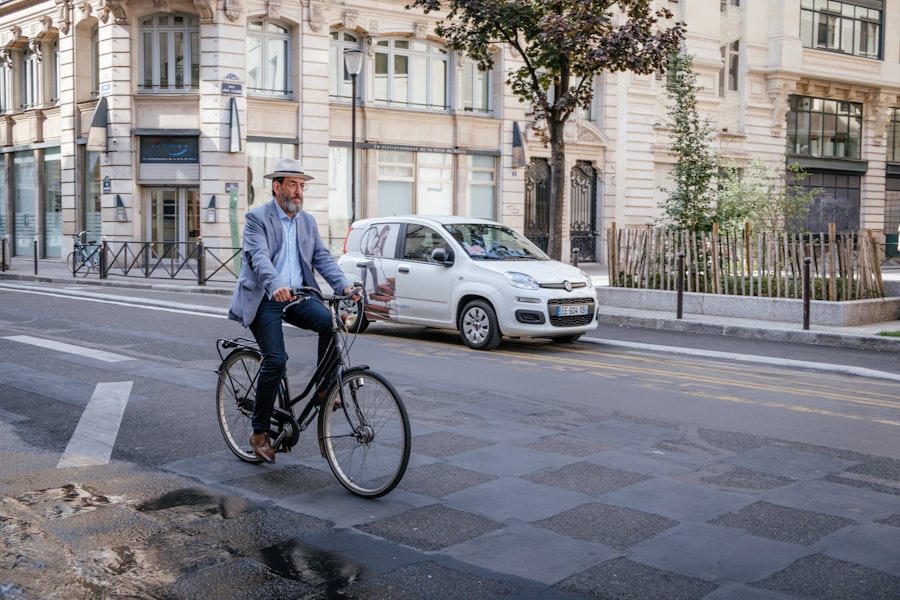
Examining case studies of successful AI implementation in smart cities provides valuable insights into best practices and lessons learned. One notable example is Barcelona, which has embraced AI to enhance its urban mobility system. By utilizing real-time data from sensors embedded in public transportation vehicles, the city has optimized routes and schedules based on actual demand.
This not only improves efficiency but also encourages greater use of public transport, contributing to reduced traffic congestion and lower emissions. Another inspiring case is Singapore’s Smart Nation initiative, which leverages AI across various sectors to improve quality of life for its residents. The city-state has implemented an extensive network of sensors and cameras to monitor traffic flow and pedestrian movement.
By analyzing this data with AI algorithms, Singapore has been able to implement measures that enhance road safety and streamline transportation services. These case studies illustrate how thoughtful integration of AI technologies can lead to tangible improvements in urban living.
The Future of AI in Urban Planning and Management
As I contemplate the future of AI in urban planning and management, I am filled with a sense of anticipation for what lies ahead. The rapid advancements in technology suggest that we are only scratching the surface of what is possible. In the coming years, I envision an increased emphasis on integrating AI with other emerging technologies such as blockchain and augmented reality.
This convergence could lead to even more innovative solutions for urban challenges, fostering greater collaboration among stakeholders. Moreover, as cities continue to evolve into smart ecosystems, I believe there will be a growing focus on sustainability and resilience. AI will play a pivotal role in helping cities adapt to climate change by optimizing energy usage, managing water resources efficiently, and reducing waste generation.
As I reflect on these possibilities, I am hopeful that the integration of AI into urban planning will not only enhance efficiency but also contribute to creating more equitable and sustainable communities.
The Impact of AI on Shaping Smart Cities
In conclusion, my exploration of AI’s role in shaping smart cities has revealed its transformative potential for urban living. From optimizing resource management to enhancing public safety and fostering citizen engagement, AI technologies offer a wealth of opportunities for improving the quality of life in our cities. However, as we embrace these advancements, it is crucial to remain vigilant about the challenges they present—particularly concerning bias and data privacy.
By prioritizing ethical considerations and engaging citizens in the decision-making process, we can harness the full potential of these technologies to create inclusive, sustainable urban environments. Ultimately, the impact of AI on shaping smart cities will depend on our collective commitment to using these tools responsibly and thoughtfully for the benefit of all residents.
For those interested in how technology is revolutionizing various sectors, a related article worth exploring is “Power Apps: Unlocking Advanced Capabilities and Transforming Business Processes.” This piece delves into how Power Apps, a suite of apps, services, and connectors, is transforming business processes across industries by enabling the rapid development of custom apps that connect to your data. It’s particularly relevant for understanding the technological frameworks that could be adapted for urban planning and management in smart cities. You can read more about it here.
FAQs
What is a smart city?
A smart city is a city that uses technology and data to improve the quality of life for its residents, enhance urban services, and optimize resource use.
How is AI shaping urban planning and management in smart cities?
AI is being used in smart cities to analyze large amounts of data, predict urban trends, optimize traffic flow, manage energy usage, and improve public safety.
What are some examples of AI applications in smart cities?
AI applications in smart cities include smart traffic management systems, predictive maintenance for infrastructure, intelligent energy management, and real-time crime prediction and prevention.
What are the benefits of AI in smart cities?
The benefits of AI in smart cities include improved efficiency of urban services, reduced energy consumption, better traffic management, enhanced public safety, and overall improved quality of life for residents.
What are some challenges of implementing AI in smart cities?
Challenges of implementing AI in smart cities include data privacy concerns, cybersecurity risks, the need for significant investment in infrastructure, and potential job displacement due to automation.
