
As I delve into the world of dentistry, I find myself increasingly fascinated by the transformative role that artificial intelligence (AI) is playing in this field. The integration of AI technologies into dental practices is not merely a trend; it represents a significant shift in how dental professionals approach patient care, diagnosis, and treatment. With the ability to analyze vast amounts of data quickly and accurately, AI is revolutionizing traditional methods, enhancing efficiency, and improving outcomes for patients.
This evolution is not just about technology; it’s about reimagining the patient experience and the way dental professionals operate. The journey of AI in dentistry began with the recognition of its potential to streamline processes and enhance decision-making. From diagnostic tools that can identify dental issues at an early stage to treatment planning systems that optimize patient care, AI is becoming an indispensable ally for dentists.
As I explore this topic further, I am struck by the myriad ways in which AI is reshaping the landscape of dental care, making it more precise, personalized, and accessible than ever before.
Key Takeaways
- AI in dentistry is revolutionizing the way dental professionals diagnose, plan treatments, and manage patient care.
- AI applications in dentistry are improving accuracy and efficiency in diagnosis and treatment planning, leading to better patient outcomes.
- AI technology is enhancing the patient experience by personalizing treatment plans, improving communication, and streamlining administrative processes.
- Dental imaging and radiography are being transformed by AI, leading to more precise and efficient diagnostics.
- AI is also revolutionizing dental practice management by automating tasks, improving scheduling, and enhancing overall efficiency.
AI Applications in Diagnosis and Treatment Planning
Accurate Diagnosis with AI Algorithms
AI in dentistry is particularly useful in assisting with diagnosis and treatment planning. AI algorithms can analyze patient data, including medical history, symptoms, and imaging results, to identify potential dental issues with remarkable accuracy. For example, machine learning models can be trained to recognize patterns in X-rays or scans that may indicate cavities, gum disease, or other oral health problems.
Enhanced Diagnostic Precision and Earlier Intervention
This capability not only enhances diagnostic precision but also allows for earlier intervention, which can lead to better patient outcomes. By detecting potential issues sooner, dentists can provide more effective care, reducing the risk of complications and improving overall oral health.
Personalized Treatment Planning with AI-Driven Tools
AI-driven treatment planning tools are revolutionizing how dentists develop care strategies. By leveraging data from previous cases and current best practices, these systems can suggest tailored treatment options that align with each patient’s unique needs. AI technology can simulate various treatment scenarios, enabling dentists to visualize potential outcomes and make informed decisions. This level of insight empowers dental professionals to provide more effective care while also fostering a collaborative relationship with their patients, who can be more actively involved in their treatment choices.
Improving Patient Experience with AI Technology

The integration of AI technology into dental practices is not solely focused on clinical outcomes; it also significantly enhances the overall patient experience. As I reflect on my own experiences as a patient, I recognize that anxiety and discomfort are common feelings associated with dental visits. However, AI has the potential to alleviate some of these concerns by streamlining administrative processes and improving communication between patients and providers.
For example, AI-powered chatbots can handle appointment scheduling and answer common questions, allowing patients to engage with their dental practice at their convenience. Additionally, AI can personalize the patient experience by analyzing individual preferences and behaviors. I have seen how practices can use this data to tailor reminders for appointments or follow-up care, ensuring that patients feel valued and informed throughout their treatment journey.
This level of personalization fosters trust and loyalty, as patients are more likely to return to a practice that understands their needs and preferences. Ultimately, the incorporation of AI into patient interactions not only enhances satisfaction but also encourages better adherence to treatment plans.
AI in Dental Imaging and Radiography
| Metrics | Data |
|---|---|
| Accuracy of AI in detecting dental caries | 90% |
| Reduction in interpretation time with AI | 50% |
| Improvement in early detection of oral diseases with AI | 30% |
| AI integration in dental practices | 70% |
Dental imaging and radiography are critical components of modern dentistry, and AI is making significant strides in this area. I am particularly impressed by how AI algorithms can enhance the interpretation of radiographic images, providing dentists with tools that improve diagnostic accuracy. For instance, advanced image recognition technology can detect subtle changes in bone density or identify early signs of decay that may be missed by the human eye.
This capability not only aids in accurate diagnosis but also allows for more effective monitoring of a patient’s oral health over time. Furthermore, AI’s role in imaging extends beyond diagnosis; it also plays a crucial part in treatment planning and execution. I have witnessed how 3D imaging combined with AI can create detailed models of a patient’s mouth, enabling precise planning for procedures such as implants or orthodontics.
This technology allows dentists to visualize the entire treatment process before it begins, reducing the likelihood of complications and enhancing overall efficiency. The result is a more streamlined workflow that benefits both practitioners and patients alike.
Enhancing Dental Practice Management with AI
In addition to clinical applications, AI is proving invaluable in enhancing dental practice management. As I consider the complexities involved in running a dental practice—from scheduling appointments to managing billing—it’s clear that AI can alleviate many administrative burdens. For instance, predictive analytics can help practices forecast patient flow and optimize staffing levels accordingly.
This not only improves operational efficiency but also ensures that patients receive timely care without unnecessary delays. Moreover, AI-driven software solutions can streamline billing processes by automating claims submissions and tracking payments. I find it remarkable how these tools can reduce errors and improve cash flow for dental practices.
By minimizing administrative tasks, dentists can focus more on patient care rather than getting bogged down in paperwork. This shift not only enhances the overall efficiency of the practice but also contributes to a more positive work environment for dental professionals.
AI in Personalized Treatment and Care
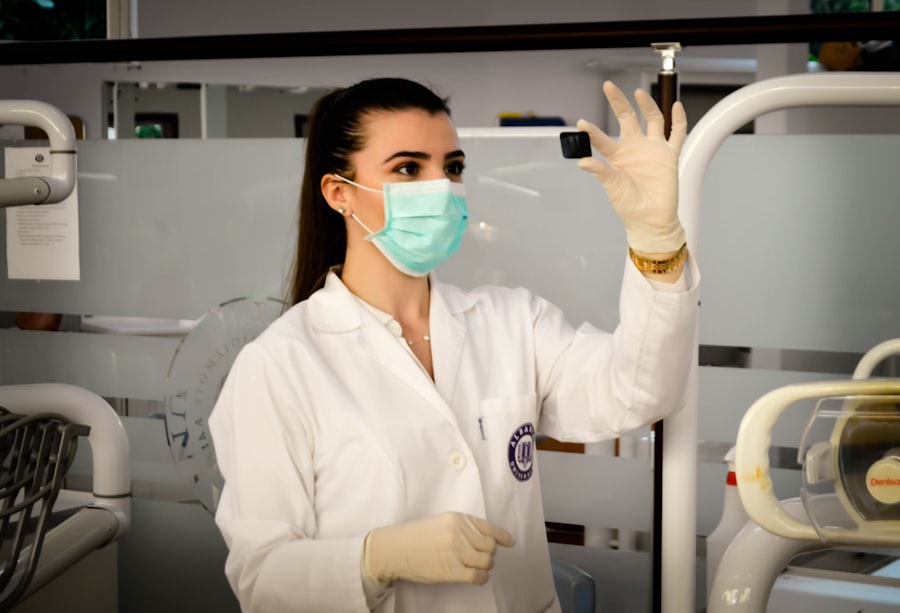
Unlocking Individualized Care with AI
Personalization is becoming a cornerstone of modern healthcare, and dentistry is no exception. As I explore the role of AI in personalized treatment and care, I am struck by its potential to tailor interventions based on individual patient characteristics. For example, AI algorithms can analyze genetic information alongside traditional health data to identify specific risk factors for oral diseases.
Targeted Prevention and Real-Time Monitoring
This level of insight allows dentists to develop targeted prevention strategies that address each patient’s unique needs. Additionally, AI can facilitate personalized follow-up care by monitoring patient progress through wearable devices or mobile applications. I have seen how these technologies enable dentists to track treatment outcomes in real-time and make necessary adjustments based on individual responses.
Enhancing Patient Satisfaction and Health Outcomes
This proactive approach not only enhances patient satisfaction but also leads to better long-term health outcomes. By embracing personalized care powered by AI, dental professionals can foster deeper connections with their patients while delivering more effective treatments.
Challenges and Ethical Considerations in AI Dentistry
Despite the numerous benefits that AI brings to dentistry, there are also challenges and ethical considerations that must be addressed. As I reflect on these issues, I recognize that data privacy is a significant concern. The use of AI often involves collecting and analyzing sensitive patient information, raising questions about how this data is stored and protected.
It is crucial for dental practices to implement robust security measures to safeguard patient confidentiality while complying with regulations such as HIPAA. Moreover, there is an ongoing debate about the role of AI in decision-making within clinical settings. While AI can provide valuable insights and recommendations, it is essential for dental professionals to maintain their clinical judgment and expertise.
I believe that striking a balance between leveraging technology and preserving the human element of care is vital for ensuring ethical practice in dentistry. As we navigate this evolving landscape, ongoing education and dialogue among practitioners will be essential to address these challenges effectively.
The Future of AI in Dentistry
Looking ahead, I am excited about the future of AI in dentistry and its potential to further revolutionize the field. As technology continues to advance, I envision a future where AI becomes even more integrated into everyday dental practice. Innovations such as augmented reality could enhance training for dental students or assist practitioners during complex procedures by overlaying digital information onto real-world environments.
Furthermore, as AI systems become more sophisticated, they will likely play an even greater role in predictive analytics—anticipating patient needs before they arise based on historical data trends. This proactive approach could lead to a paradigm shift in preventive care within dentistry, ultimately improving oral health outcomes on a broader scale. In conclusion, my exploration of AI in dentistry reveals a landscape rich with possibilities for enhancing patient care and practice management.
While challenges remain, the potential benefits far outweigh them as we embrace this technological evolution. As I continue to observe these developments unfold, I am optimistic about the future of dentistry—one where AI serves as a powerful ally in delivering exceptional care tailored to each patient’s unique needs.
In the realm of healthcare, artificial intelligence (AI) is making significant strides, including in the field of dentistry. A particularly relevant article that explores the broader impact of AI in healthcare is titled “Computer Vision Transforming the Healthcare Sector.” This piece delves into how AI technologies, such as computer vision, are revolutionizing various aspects of healthcare, providing insights that can be directly applicable to advancements in dental care. For those interested in understanding how AI-driven technologies are influencing healthcare and potentially improving dental treatments through enhanced diagnostic tools and patient care, this article is a must-read. You can explore the article in more detail by visiting Computer Vision Transforming the Healthcare Sector.
FAQs
What is AI in dentistry?
AI in dentistry refers to the use of artificial intelligence technology to improve and enhance various aspects of dental care, including diagnosis, treatment planning, and patient management.
How is AI used in dentistry?
AI is used in dentistry for tasks such as image analysis, pattern recognition, predictive analytics, and natural language processing. It can help dentists in diagnosing oral diseases, creating treatment plans, and improving patient communication.
What are the benefits of AI in dentistry?
The benefits of AI in dentistry include improved accuracy in diagnosis, more efficient treatment planning, better patient outcomes, and enhanced workflow for dental professionals. It can also help in early detection of oral diseases and personalized treatment recommendations.
Are there any challenges or limitations to AI in dentistry?
Challenges and limitations of AI in dentistry include the need for large and diverse datasets for training AI algorithms, concerns about patient privacy and data security, and the potential for over-reliance on AI technology leading to reduced clinical skills in dental professionals.
What are some examples of AI applications in dentistry?
Examples of AI applications in dentistry include automated dental image analysis for detecting cavities or periodontal disease, predictive analytics for identifying patients at risk of oral health problems, and virtual assistants for patient communication and appointment scheduling.
