Introduction
In today’s fast-paced business landscape, efficient inventory management is the backbone of success. Companies worldwide lose billions due to poor inventory practices, with over 43% of small businesses reporting challenges in maintaining optimal stock levels. Dubai, as a thriving business hub, is home to some of the most innovative solutions in inventory management software development. This guide dives deep into why Dubai is leading the charge, what features to look for, and how businesses can benefit from custom solutions.
Why Dubai is a Hub for Inventory Software Development
Dubai has consistently positioned itself as a global technology leader, offering a fertile ground for businesses to innovate and thrive. The city’s rapid rise as a hub for inventory software development is no coincidence; it is a direct result of its forward-thinking strategies, robust infrastructure, and tech-savvy ecosystem.
Strategic Location and Global Trade Hub
Situated at the crossroads of Europe, Asia, and Africa, Dubai is an integral part of global trade routes. The city’s strategic location makes it a preferred destination for logistics and supply chain companies. This heavy focus on trade has naturally created a demand for advanced inventory management solutions that can handle the complexities of global operations. Companies based in Dubai often require software that can integrate seamlessly with international logistics networks, track multi-location inventory, and comply with diverse regulations.
Government Initiatives to Promote Technology
The Dubai government has actively fostered an environment conducive to technological growth. Initiatives such as Smart Dubai and Dubai Internet City provide a framework for businesses to adopt and innovate with digital technologies. The city’s leadership aims to transform Dubai into one of the world’s smartest cities by integrating technology into every aspect of business and daily life. This ambition has encouraged local software developers to specialize in cutting-edge solutions, including those focused on inventory management.

Vibrant Tech Ecosystem
Dubai’s technology ecosystem is bolstered by the presence of multinational corporations, startups, and local tech giants. This diverse mix of players encourages collaboration and innovation. Companies in Dubai can access a highly skilled workforce with expertise in artificial intelligence (AI), machine learning (ML), blockchain, and the Internet of Things (IoT)—all technologies that are becoming integral to inventory management systems.
Supportive Business Environment
Dubai offers a pro-business environment, with free zones such as Dubai Silicon Oasis and Jebel Ali Free Zone providing tax incentives and streamlined processes for setting up companies. These zones attract technology firms that focus on creating innovative software solutions, including inventory management tools tailored to industry-specific needs.
Cultural Diversity and Talent Pool
Dubai’s multicultural workforce is another major advantage. Professionals from around the world bring unique perspectives, enabling the creation of software solutions that are versatile and adaptable. This diversity is particularly valuable in developing inventory systems that cater to a global market.
Cutting-Edge Events and Networking Opportunities
The city hosts major technology events like GITEX Global, which serves as a platform for showcasing the latest advancements in software and fostering partnerships. Such events allow businesses and developers to exchange ideas and collaborate on new technologies, further advancing the inventory management landscape in Dubai.
Success Stories of Local Solutions
Dubai has already seen numerous success stories where locally developed inventory software has transformed businesses. For instance, a logistics firm operating in Dubai leveraged AI-powered inventory software to achieve a 35% reduction in inventory errors, setting a benchmark for the industry.
In summary, Dubai’s strategic advantages, coupled with its strong emphasis on technology and innovation, make it a prime location for inventory software development. Businesses seeking robust and scalable inventory solutions will find Dubai to be a thriving hub for technological excellence.
The Importance of Inventory Management Software
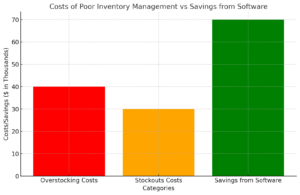
Effective inventory management is the foundation of operational efficiency and customer satisfaction in any business. Without the right tools, businesses risk encountering issues such as overstocking, stockouts, and operational inefficiencies, which can severely impact profitability. Inventory management software addresses these challenges by providing businesses with tools to streamline their operations and make data-driven decisions.
Eliminating Overstocking and Stockouts
One of the primary reasons businesses invest in inventory management software is to maintain optimal stock levels. Overstocking ties up capital in unsold goods and increases storage costs, while stockouts result in missed sales opportunities and dissatisfied customers. Inventory software mitigates these risks by providing real-time visibility into stock levels, enabling businesses to reorder products before they run out.
Improving Operational Efficiency
Manual inventory management is time-consuming and prone to errors. Automation, a key feature of inventory software, simplifies tasks such as stock audits, order generation, and reporting. For example, a retail store can use the software to automatically reorder popular products when their stock falls below a specified threshold, saving time and ensuring continuous availability.
Enhancing Demand Forecasting
Demand forecasting is critical for maintaining the right inventory levels. Inventory management software uses historical sales data and market trends to predict future demand. For instance, a clothing retailer can analyze seasonal trends to ensure they are well-stocked with popular items during peak periods, reducing excess inventory.
Integrating with Other Systems
Modern inventory management software is designed to integrate seamlessly with other business tools, such as accounting software, customer relationship management (CRM) systems, and e-commerce platforms. This integration creates a unified system where inventory data flows seamlessly across departments, improving collaboration and decision-making.
Reducing Costs and Increasing Profitability
By optimizing inventory levels, automating processes, and improving accuracy, businesses can significantly reduce costs associated with carrying excess inventory or dealing with stockouts. These savings directly contribute to increased profitability.
Enhancing Customer Satisfaction
Customers expect quick and reliable service. Inventory management software ensures that businesses can meet customer expectations by maintaining the right stock levels and processing orders efficiently. Satisfied customers are more likely to become repeat buyers, contributing to long-term success.
Real-World Impact
Consider a food and beverage distributor that implemented inventory management software to streamline its operations. By automating order processing and integrating inventory data with its ERP system, the company reduced order errors by 40% and improved delivery times by 30%, resulting in higher customer satisfaction and cost savings.
Adapting to Market Changes
The business landscape is constantly evolving, and companies need to be agile to remain competitive. Inventory management software provides the flexibility to adapt to market changes, such as sudden shifts in demand or disruptions in the supply chain.
In conclusion, inventory management software is more than just a tool—it is a strategic asset that enables businesses to operate more efficiently, satisfy customers, and maintain a competitive edge in a rapidly changing market.
Features to Look For in Inventory Software
Choosing the right inventory management software is a critical decision that can significantly impact a business’s efficiency and profitability. Not all software solutions are created equal, and the features you prioritize should align with your specific operational needs and growth objectives. Here are the key features to look for:
1. Customizable Dashboards
A customizable dashboard is essential for providing stakeholders with the information they need at a glance. For example, a warehouse manager might focus on stock levels and incoming shipments, while a financial controller might prioritize cost analysis and inventory valuation. By tailoring the dashboard to their specific needs, team members can access relevant data quickly, improving productivity and decision-making.
2. Real-Time Analytics
Real-time analytics enable businesses to monitor their inventory levels, sales trends, and supply chain performance as they happen. This feature is particularly valuable for businesses with high turnover rates or those operating in fast-paced industries. For instance, a grocery chain can use real-time analytics to track the movement of perishable goods, reducing waste and optimizing stock rotation.
3. Integration with Other Systems
Modern businesses rely on various software tools for operations, including ERP systems, CRM platforms, and e-commerce websites. Inventory management software that integrates seamlessly with these tools ensures a smooth flow of data across departments. For example, integrating inventory software with an e-commerce platform allows businesses to provide customers with real-time stock updates, improving the shopping experience.
4. Mobile Accessibility
With the rise of remote work and mobile operations, having inventory software that is accessible via smartphones and tablets is a game-changer. Mobile accessibility enables managers to track inventory, approve purchase orders, and resolve issues from anywhere, enhancing agility and responsiveness.
5. Cloud-Based Solutions
Cloud-based inventory management software offers several advantages over traditional on-premises systems. It eliminates the need for expensive hardware, provides scalability to accommodate growth, and ensures that businesses can access their data from anywhere. Additionally, cloud solutions often include automatic updates, ensuring that businesses always have access to the latest features and security enhancements.
6. Predictive Analytics and AI
Advanced inventory systems leverage AI and machine learning to predict future demand, identify potential stockouts, and optimize reorder points. For example, a retailer can use AI-powered analytics to identify trends in customer behavior and adjust their inventory strategy accordingly.
7. Scalability and Flexibility
As businesses grow, their inventory management needs become more complex. The ideal software should be scalable and adaptable, allowing companies to add features or handle larger volumes without significant disruptions.
In conclusion, investing in inventory software with these features ensures that businesses are well-equipped to handle current challenges and adapt to future growth. The right solution will enhance efficiency, reduce costs, and provide a solid foundation for long-term success.

How to Choose the Right Inventory Software Developer in Dubai
Choosing the right developer for your inventory management software is a critical decision that can significantly impact the success of your project. With Dubai’s booming tech ecosystem, businesses have access to a variety of software development firms, but selecting the right partner requires careful evaluation.
1. Assess Their Portfolio
Start by reviewing the developer’s portfolio to understand their expertise in creating inventory management solutions. Look for projects that align with your industry and operational needs. For instance, a developer with experience in designing software for e-commerce businesses may be well-equipped to integrate inventory systems with online platforms. Check for case studies or testimonials that demonstrate their ability to deliver results.
2. Technical Expertise
Inventory software often involves advanced technologies such as AI, IoT, and cloud computing. Ensure the developer has a strong grasp of these technologies and can incorporate them into your solution. For example, AI can be used for predictive analytics, while IoT devices can enhance real-time inventory tracking.
3. Understanding of Your Business Needs
A good developer will take the time to understand your unique business requirements. They should ask questions about your current challenges, goals, and processes. This understanding is essential for designing a solution tailored to your specific needs, whether it’s optimizing inventory turnover or managing multi-location warehouses.
4. Client Testimonials and References
Reputation matters. Look for client reviews and testimonials to gauge the developer’s reliability and professionalism. If possible, ask for references and speak directly with past clients to understand their experience working with the developer.
5. Customization Capabilities
Off-the-shelf inventory software may not meet your specific requirements. Choose a developer who can create custom features tailored to your business. For example, if your business involves handling perishable goods, the software should include functionalities like expiration tracking and automated stock rotation.
6. Scalability of the Solution
As your business grows, your inventory needs will evolve. Ensure the developer can design a scalable solution that can accommodate increasing volumes, new features, and integrations with other systems.
7. Post-Deployment Support
Even the best software may require updates, maintenance, and troubleshooting. A reliable developer will offer ongoing support to ensure the system remains effective. This includes addressing bugs, implementing updates, and adapting the software to new operational challenges.
8. Local Knowledge and Presence
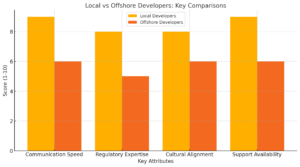
Working with a Dubai-based developer has its advantages. They understand the local business landscape and regulatory requirements, making it easier to create a solution that complies with regional standards. Additionally, being in the same time zone facilitates better communication and faster response times.
9. Transparent Pricing
Ensure the developer provides a clear breakdown of costs. This includes initial development costs, licensing fees (if applicable), and ongoing maintenance charges. Transparency in pricing prevents unexpected expenses and ensures the project stays within budget.
10. Collaboration and Communication
Effective collaboration between your team and the developer is key to the success of the project. Choose a developer who values clear communication, provides regular progress updates, and involves you in important decision-making processes.

Real-World Example
A mid-sized logistics company in Dubai partnered with a local developer to create a custom inventory management system. By integrating AI for demand forecasting and IoT for real-time tracking, the company reduced inventory errors by 30% and improved order fulfillment times by 25%. The developer’s local expertise also ensured compliance with regional trade regulations, making the solution seamless and effective.
By following these steps, businesses in Dubai can find a trusted partner who will deliver a high-quality inventory management solution tailored to their needs.
Steps in Developing Inventory Software
Developing inventory management software involves a structured process that ensures the final product meets the unique needs of the business. Here are the critical steps involved in creating an effective inventory system:
1. Planning and Requirement Gathering
The first step is to identify the specific challenges and goals the software should address. This involves consulting with key stakeholders, including warehouse managers, procurement teams, and IT staff. For example, a retail business may require features like multi-location tracking and integration with e-commerce platforms.
Once the requirements are defined, create a detailed project roadmap outlining timelines, deliverables, and responsibilities.
2. Designing the Software
The design phase focuses on creating a user-friendly interface and an intuitive user experience. This includes wireframing the layout, choosing color schemes, and ensuring that navigation is straightforward. For instance, the dashboard should display critical metrics such as stock levels, order status, and alerts prominently.
In addition to visual design, the software’s architecture is planned during this phase. Decisions are made about whether to use a cloud-based or on-premises solution, as well as the choice of programming languages and frameworks.
3. Development
During the development phase, the actual coding begins. The development team builds the features identified during the planning stage, such as inventory tracking, reporting tools, and integration with other systems. Agile methodologies are often used to ensure flexibility and accommodate changes during development.
4. Testing
Thorough testing is conducted to identify and fix bugs or glitches in the system. This includes functionality testing, performance testing, and compatibility testing across different devices and platforms. For example, the software is tested to ensure it accurately updates stock levels in real-time when an order is processed.
5. Deployment
Once testing is complete, the software is deployed in the live environment. This step includes migrating data from existing systems, configuring the software for real-world use, and training employees to use the new system effectively.
6. Post-Deployment Support and Maintenance
Even after deployment, the work isn’t done. Continuous monitoring ensures the software performs as expected. Regular updates are rolled out to address emerging needs, improve performance, and maintain security.
Example of a Successful Development Process
A Dubai-based wholesale company followed these steps to develop inventory software tailored to its needs. During the planning phase, they identified inefficiencies in order processing. By focusing on automation during development, the company achieved a 40% reduction in processing time, boosting customer satisfaction.
By following this structured process, businesses can develop inventory management software that not only meets their current needs but is also scalable for future growth.
The Cost of Inventory Software Development in Dubai
The cost of developing inventory management software in Dubai varies widely depending on the complexity of the solution, the features required, and the development team’s expertise. While it may seem like a significant investment upfront, the long-term benefits in efficiency, accuracy, and customer satisfaction make it a worthwhile expenditure. Here’s a breakdown of the factors influencing the cost and how businesses can approach budgeting for their software development project.
1. Scope and Features of the Software
The primary factor affecting cost is the scope of the project. A basic inventory management system with essential features such as stock tracking, order management, and basic reporting can cost between $10,000 and $20,000. However, a more complex system with advanced features like AI-driven demand forecasting, multi-location tracking, IoT integration, and real-time analytics can exceed $100,000.
For example, a retail business requiring integration with e-commerce platforms and mobile accessibility will pay more than a small warehouse needing simple inventory tracking.
2. Development Team and Expertise
The cost also depends on the size and expertise of the development team. A team with specialized skills in AI, machine learning, or blockchain will command higher rates. Local developers in Dubai, while sometimes more expensive, bring the added advantage of understanding the regional business environment, ensuring compliance with local regulations and market needs.
Hiring a Dubai-based team typically costs $50–$150 per hour, depending on their expertise and the project’s requirements. Offshore development teams may offer lower rates, but potential challenges such as communication gaps and time zone differences must be considered.
3. Customization and Scalability
Custom solutions tailored to specific business needs tend to cost more than off-the-shelf software. However, customization allows businesses to integrate unique workflows and features that are essential for their operations. Scalability also plays a role in cost; software designed to handle growing inventory and integrate with additional systems in the future will require a larger upfront investment.
4. Development Timeline
The speed at which the software needs to be developed can influence costs. A tight timeline may require additional resources, such as a larger team or extended working hours, leading to higher expenses. Projects with flexible timelines can benefit from cost savings through phased development.
5. Maintenance and Post-Deployment Support
Maintenance is an ongoing cost that businesses must consider when budgeting for inventory software development. This includes updates to ensure compatibility with new technologies, bug fixes, and technical support. Typically, annual maintenance costs range from 15% to 25% of the initial development cost.

Real-World Example
A mid-sized logistics company in Dubai invested $75,000 in custom inventory management software that integrated IoT sensors for real-time tracking and AI-driven analytics for demand forecasting. While the upfront cost was substantial, the system paid for itself within two years by reducing stockouts by 40% and improving order accuracy.
Cost-Saving Tips
- Define Clear Requirements: Avoid scope creep by clearly defining the features and functionality required at the start of the project.
- Prioritize Essential Features: Begin with a minimum viable product (MVP) and add advanced features as needed.
- Leverage Local Talent: Partner with Dubai-based developers to save on travel costs and ensure compliance with regional standards.
- Choose Cloud-Based Solutions: Cloud-based systems eliminate the need for expensive on-premises hardware, reducing initial costs.
By understanding these cost factors and planning accordingly, businesses can develop inventory management software that delivers value while staying within budget.
Emerging Trends in Inventory Management Software (2025)
The field of inventory management software is evolving rapidly, driven by advancements in technology and shifting business needs. Staying ahead of these trends is crucial for businesses aiming to remain competitive in 2025 and beyond. Here are the top emerging trends that are reshaping inventory management:
1. Artificial Intelligence (AI) and Machine Learning
AI is transforming inventory management by enabling smarter, data-driven decision-making. Machine learning algorithms analyze historical sales data, market trends, and seasonal patterns to predict demand with remarkable accuracy. This helps businesses avoid overstocking and stockouts while improving cash flow.
For example, a fashion retailer can use AI to predict demand for specific products during different seasons, ensuring optimal stock levels. AI-driven systems also adapt to changing customer behavior, making them invaluable in dynamic markets.
2. Internet of Things (IoT)
IoT devices are revolutionizing inventory tracking by providing real-time visibility into stock levels, locations, and conditions. Smart sensors can monitor inventory in warehouses and trigger alerts for issues such as temperature changes, ensuring the integrity of perishable goods.
For instance, a pharmaceutical company can use IoT sensors to track the temperature of medicines during transit, ensuring compliance with regulations and maintaining product quality.

3. Blockchain Technology
Blockchain is gaining traction as a secure and transparent way to manage inventory transactions. By creating an immutable ledger of transactions, blockchain enhances traceability and reduces the risk of fraud. This is particularly valuable in industries like food and beverage, where supply chain transparency is critical.
A Dubai-based food distributor, for example, could use blockchain to trace the origin of products, ensuring compliance with local and international food safety standards.
4. Cloud-Based Solutions
Cloud computing continues to dominate inventory management due to its scalability, cost-effectiveness, and accessibility. Cloud-based systems allow businesses to access inventory data from anywhere, making them ideal for companies with multiple locations or remote operations.
The scalability of cloud solutions also means businesses can add features or handle larger volumes as they grow, making them a future-proof investment.
5. Mobile-First Solutions
As businesses increasingly rely on remote work and on-the-go operations, mobile-first inventory solutions are becoming a necessity. Mobile apps provide managers with real-time access to inventory data, allowing them to make decisions, approve orders, and resolve issues from anywhere.
6. Augmented Reality (AR) for Warehouse Management
AR technology is finding its way into inventory management, particularly in warehouses. AR-powered systems can guide workers to the exact location of items in a warehouse, reducing picking errors and improving efficiency.
For example, a logistics company could equip its warehouse staff with AR glasses that display real-time instructions, speeding up the order fulfillment process.
7. Sustainability and Green Inventory Practices
Sustainability is becoming a key consideration for businesses, and inventory management software is evolving to support green practices. Features such as carbon footprint tracking and waste reduction analytics help businesses align with environmental goals.
By adopting these trends, businesses can not only enhance their inventory management capabilities but also gain a competitive edge in an increasingly digital and sustainability-focused market.
Why Choose Local Developers in Dubai for Your Inventory Management Software: Partnering with Appquipo
When it comes to developing high-quality inventory management software, choosing a local developer can make all the difference. Dubai is home to a thriving tech ecosystem with developers who bring unique expertise and a deep understanding of the local business environment. Among the top choices for software development in Dubai, Appquipo stands out as a trusted partner for businesses looking to revolutionize their inventory systems.
Why Local Developers in Dubai?
Working with developers based in Dubai offers several advantages:
1. Regional Expertise and Market Understanding
Local developers have a thorough understanding of the unique challenges and opportunities in the Dubai market. They are familiar with the regulatory landscape, industry standards, and customer expectations. This knowledge enables them to build software that complies with local requirements and caters to the specific needs of Dubai-based businesses.
2. Seamless Communication and Collaboration
Face-to-face meetings and real-time collaboration are invaluable when developing custom software. Being in the same time zone ensures faster communication, fewer delays, and better project management. Appquipo’s team excels in maintaining open lines of communication with their clients, ensuring that every detail is executed to perfection.
3. Faster Support and Maintenance
Local developers can provide faster support and updates, which are crucial for ensuring the long-term success of your software. Appquipo offers dedicated post-deployment support, ensuring your system runs smoothly and remains up to date with evolving business needs.
4. Familiarity with Dubai’s Tech Ecosystem
Dubai’s tech ecosystem is rich with resources, events, and partnerships. Local developers like Appquipo leverage their connections and insights to create cutting-edge solutions that align with the latest trends and technologies.
Why Appquipo?
Appquipo is a premier software development company based in Dubai, specializing in creating tailored solutions for inventory management. Here’s why they should be your top choice:
1. Proven Expertise in Inventory Management Software
With a track record of successful projects, Appquipo has helped businesses across industries streamline their operations. From retail and logistics to manufacturing and e-commerce, their team has developed robust inventory management solutions that drive efficiency and growth.
2. Cutting-Edge Technologies
Appquipo employs the latest technologies, including AI, IoT, and blockchain, to deliver innovative solutions. For instance, their AI-powered demand forecasting tools help businesses optimize inventory levels, while IoT integrations enable real-time tracking of stock.
3. Tailored Solutions
Every business is unique, and Appquipo understands the importance of customization. Their team works closely with clients to design software that addresses specific pain points and aligns with their operational workflows.
4. Scalable and Future-Proof Systems
Appquipo’s solutions are designed to grow with your business. Whether you’re a small startup or an established enterprise, their inventory software is scalable and adaptable to evolving market demands.
5. Comprehensive Support
From planning and development to deployment and maintenance, Appquipo offers end-to-end services. Their dedicated support team ensures that your software performs optimally, providing updates, troubleshooting, and training as needed.
6. Competitive Pricing
While delivering world-class solutions, Appquipo remains competitively priced. They provide transparent cost breakdowns, ensuring you get the best value for your investment without unexpected expenses.
Real-World Success Stories
Appquipo’s impact is evident through their client successes. Here are a few examples:
- Retail Chain in Dubai: Appquipo developed a cloud-based inventory system for a regional retail chain, integrating it with their point-of-sale and e-commerce platforms. This reduced stockouts by 25% and improved customer satisfaction.
- Logistics Firm: By implementing IoT-enabled inventory tracking, Appquipo helped a logistics company achieve real-time visibility into their supply chain, reducing errors by 30%.
- E-Commerce Startup: Appquipo created a scalable inventory solution for a growing e-commerce startup, enabling them to handle a 3x increase in order volumes during peak seasons.
How to Get Started with Appquipo
Partnering with Appquipo is straightforward. Here’s how to begin:
- Consultation: Schedule a free consultation to discuss your business needs and challenges.
- Proposal: Receive a detailed project proposal outlining timelines, costs, and deliverables.
- Development: Collaborate with their team to design, develop, and test your software.
- Deployment and Support: Launch your software with Appquipo’s comprehensive training and support.
Conclusion
Developing inventory management software is a strategic investment, and choosing the right developer is crucial to its success. Appquipo combines local expertise, technical excellence, and a commitment to client satisfaction, making them the ideal partner for businesses in Dubai.
Ready to transform your inventory management? Contact Appquipo today and take the first step toward smarter, more efficient operations!