
Are you considering developing a fantasy sports app but unsure about the costs involved? You’re not alone. With the rising popularity of fantasy sports platforms, businesses and entrepreneurs are eager to tap into this lucrative market. However, understanding the cost to build a fantasy sports app is crucial for planning your budget and ensuring a solid return on investment (ROI).
This comprehensive guide will break down the fantasy sports app development cost, covering everything from essential features to technology stacks and hidden expenses. Whether you’re a startup or an established company, knowing what goes into building a fantasy sports app can help you make informed decisions, optimize costs, and create a platform that stands out in this competitive industry.
We’ll also explore the key factors that influence the cost, including the complexity of fantasy sports app features, the development timeline, and the resources needed. By the end of this article, you’ll have a clear understanding of the investment required and practical tips to reduce costs without compromising on quality.
Ready to turn your vision of a fantasy sports app into reality? Let’s dive into the details and help you build a platform that captivates users and maximizes your ROI.
Key Features of a Fantasy Sports App: Essential Elements to Minimize Development Costs and Maximize User Engagement
When planning the development of a fantasy sports app, understanding the core features is vital. These features not only shape the user experience but also influence the overall cost to build a fantasy sports app. By prioritizing the right fantasy sports app features, you can create a competitive platform while keeping your fantasy sports app development cost under control.
Here’s a detailed breakdown of the must-have features every successful fantasy sports platform should include:
-
User Registration and Authentication
- A seamless onboarding process with options for email, phone, or social media login ensures user convenience and retention.
- Implement strong authentication methods to enhance security.
-
Customizable User Profiles
- Allow users to create personalized profiles, track performance, and manage their team statistics.
- Profiles also enhance engagement by making the platform feel tailored to individual preferences.
-
Live Match Integration and Real-Time Updates
- Include live match feeds and updates to keep users informed and engaged with the games.
- Real-time data integration can significantly impact the cost of developing a fantasy sports app, but it’s essential for user satisfaction.
-
Team Creation and Management
- An intuitive interface for users to create and manage their fantasy teams, set lineups, and make trades.
- Advanced features like player analytics and recommendations can further enhance the user experience.
-
Leaderboard and Scoring System
- A dynamic scoring system that updates in real-time based on player performance.
- Leaderboards foster competition among users, boosting engagement.
-
Payment Gateway Integration
- Secure and multiple payment options to handle entry fees, payouts, and in-app purchases.
- This is a critical feature that impacts both usability and the cost to build a fantasy sports app.
-
Push Notifications and Alerts
- Keep users updated with match schedules, score changes, and player performance through timely notifications.
- Push notifications also help in user retention and re-engagement.
-
Multi-Language and Multi-Currency Support
- Expanding your audience by including localization features to cater to global users.
- This can add to the fantasy sports app development cost but is crucial for international success.
-
Admin Panel for Platform Management
- A robust admin dashboard for managing leagues, users, payments, and settings.
- Automation tools in the admin panel can help reduce operational costs in the long run.
-
Analytics and Insights
- Implement tools to provide users with insights on player statistics, team performance, and game trends.
- These features enhance the value of your app, making it a top choice among competitors.
By integrating these fantasy sports app features, you can create a platform that not only attracts users but also ensures a high return on investment. Balancing these features with your budget will help you manage the fantasy sports app development cost effectively, ensuring a competitive edge in this booming industry.
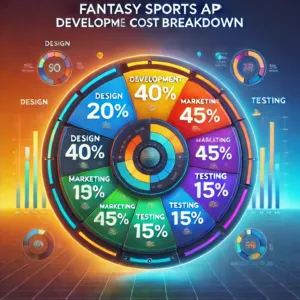
Factors Affecting the Development Cost of a Fantasy Sports App: A Comprehensive Guide for Smart Budget Planning
Developing a successful fantasy sports app requires strategic planning, and understanding the factors that influence the fantasy sports app development cost is crucial. By identifying these key factors, you can optimize your budget while ensuring the inclusion of essential fantasy sports app features that enhance user engagement and satisfaction. Here’s a detailed look at what impacts the overall cost to build a fantasy sports app:
1. App Complexity and Features
The complexity of your app and the number of fantasy sports app features you include significantly affect development costs.
- Basic features like user registration, team management, and leaderboards are standard and less expensive to develop.
- Advanced features such as real-time match integration, AI-based analytics, and multi-language support increase costs but improve user experience and engagement.
2. Platform Selection: iOS, Android, or Both
Choosing the platform for your app has a direct impact on the fantasy sports app development cost:
- Single Platform (iOS or Android): Costs less but limits your audience reach.
- Cross-Platform Development: While initially more expensive, it allows you to cater to a broader audience and reduces long-term maintenance costs.
3. Design and User Interface (UI/UX)
A visually appealing and intuitive design is essential for retaining users:
- Custom designs and animations can make your app stand out but may increase the cost to build a fantasy sports app.
- Simple, user-friendly designs can keep costs manageable while ensuring functionality.
4. Technology Stack
The tools and technologies used in app development play a crucial role in cost determination:
- Using cutting-edge tools for features like real-time updates, data analytics, and secure payment gateways can drive up expenses.
- Open-source technologies may reduce initial costs but require careful consideration for scalability and maintenance.
5. Development Team and Expertise
The size and experience of the development team directly affect the fantasy sports app development cost:
- In-House Development Team: Offers control but can be expensive due to salaries and infrastructure.
- Outsourcing to Experts: A cost-effective option to access global talent with expertise in fantasy sports platform development.
6. Integration of APIs and Third-Party Services
APIs are essential for features like live match data, payment processing, and user analytics:
- The cost to build a fantasy sports app increases with the integration of premium APIs but enhances functionality and user experience.
- Free APIs may save costs but can have limitations in terms of reliability and scalability.
7. Testing and Quality Assurance (QA)
Thorough testing is vital to ensure a seamless user experience:
- QA testing for multiple devices, screen sizes, and operating systems can add to the fantasy sports app development cost.
- However, this investment prevents costly fixes and ensures a smooth launch.
8. Legal and Compliance Requirements
Depending on your target audience, you may need to comply with specific regulations:
- Implementing features like age verification, gambling compliance, and data privacy safeguards can increase costs.
- Neglecting compliance may lead to legal issues, which can be more expensive in the long run.
9. Geographical Location of the Development Team
The location of your development team significantly influences the overall cost:
- Developers in regions like the US and Western Europe charge higher rates.
- Opting for developers in Asia or Eastern Europe can reduce the fantasy sports app development cost without compromising quality.
10. Maintenance and Updates
Ongoing costs for app maintenance, feature updates, and bug fixes are often overlooked:
- Regular updates ensure your fantasy sports platform remains competitive and user-friendly.
- Planning for these costs from the outset helps avoid future budget overruns.
By understanding these factors, you can strategically plan your fantasy sports app development cost and focus on building a platform that balances functionality, user satisfaction, and budget efficiency. Investing in the right fantasy sports app features and prioritizing scalability ensures your app’s success in this dynamic and competitive industry.
Fantasy Sports App Tech Stack and Resources: Building a Robust and Cost-Effective Solution

Choosing the right tech stack and resources is one of the most critical decisions when planning the development of a fantasy sports app. The fantasy sports app development cost is directly influenced by the technologies you use and the resources you allocate. A well-planned tech stack ensures smooth functionality, scalability, and user satisfaction while optimizing the cost to build a fantasy sports app.
Here’s a detailed breakdown of the tech stack and resources needed to develop a successful fantasy sports platform:
1. Frontend Development
The frontend is the user-facing side of your app, responsible for delivering an engaging and intuitive user experience.
- Technologies:
- HTML5, CSS3, and JavaScript frameworks like React.js or Angular.js.
- Mobile-specific frameworks such as Flutter or React Native for cross-platform development.
- Impact on Cost: Cross-platform frameworks reduce the fantasy sports app development cost compared to building separate apps for iOS and Android.
2. Backend Development
The backend serves as the backbone of your app, managing data and ensuring seamless performance.
- Technologies:
- Node.js, Python, Ruby on Rails, or Java for building robust backend systems.
- Databases like PostgreSQL, MySQL, or MongoDB for efficient data management.
- Impact on Cost: The choice of a backend framework impacts scalability and long-term maintenance costs.
3. APIs and Third-Party Integrations
APIs are essential for implementing core fantasy sports app features like real-time match data and payment processing.
- Key APIs for Fantasy Sports Apps:
- Live Sports Data APIs (e.g., SportRadar, Bet365, or ESPN).
- Payment Gateway APIs (e.g., Stripe, PayPal, or Razorpay).
- User Authentication APIs (e.g., Firebase Authentication).
- Impact on Cost: Premium APIs increase the cost to build a fantasy sports app but provide reliability and advanced features.
4. Cloud Hosting and Storage
Cloud services ensure scalability, data security, and smooth app performance.
- Technologies:
- AWS (Amazon Web Services), Microsoft Azure, or Google Cloud for hosting.
- Content Delivery Networks (CDNs) like Cloudflare for faster load times.
- Impact on Cost: Pay-as-you-go pricing models can help manage fantasy sports app development cost effectively.
5. Real-Time Data Processing
Real-time updates are a must-have for a fantasy sports platform to deliver live match scores, player stats, and leaderboard changes.
- Technologies:
- Impact on Cost: Investing in efficient real-time data processing technologies ensures user satisfaction and retention.
6. Tech Stack for Security
Security is critical for protecting user data and building trust.
- Technologies:
- SSL Certificates for encrypted data transfer.
- Tools like OWASP ZAP for vulnerability testing.
- Data encryption algorithms like AES for user data protection.
- Impact on Cost: While security measures add to the fantasy sports app development cost, they are essential for compliance and user trust.
7. Analytics and Insights
Data analytics tools help track user behavior and optimize app performance.
- Technologies:
- Google Analytics or Mixpanel for user insights.
- Machine Learning frameworks like TensorFlow or PyTorch for advanced analytics.
- Impact on Cost: Advanced analytics tools increase upfront costs but provide valuable insights for growth.
8. Resources Needed for Development
- Development Team:
- Project Manager, UI/UX Designer, Frontend and Backend Developers, QA Engineers, and DevOps Specialists.
- Hardware and Software:
- High-performance development machines and licensed software tools.
- Impact on Cost: Outsourcing to an experienced development team can reduce costs compared to maintaining an in-house team.
9. Testing and Deployment Tools
Thorough testing ensures a bug-free user experience, and deployment tools streamline the launch process.
- Technologies:
- Testing tools like Selenium, Appium, or Postman.
- Deployment tools like Docker, Kubernetes, or Jenkins.
- Impact on Cost: Automated testing tools can reduce long-term maintenance costs.
By carefully selecting the right tech stack and allocating resources strategically, you can balance the fantasy sports app development cost with quality and scalability. A robust and optimized tech stack ensures your fantasy sports platform delivers a seamless experience for users while staying within budget.
Development Timelines and Cost Breakdown: A Detailed Analysis for Building a Fantasy Sports App

Understanding the development timelines and cost breakdown is crucial for planning and budgeting a fantasy sports app project. The total fantasy sports app development cost depends on the complexity of the features, the tech stack, and the resources involved. Here’s a comprehensive guide to help you estimate how long it takes and what expenses are associated with building a successful fantasy sports platform.
1. Development Timelines
The timeline for developing a fantasy sports app varies based on its size, features, and customization. Below is an approximate breakdown of the stages and their respective durations:
a. Research and Planning (2-4 Weeks)
- Conducting market research and defining the app’s purpose, target audience, and fantasy sports app features.
- Finalizing the tech stack and development approach.
- Estimated Cost: $3,000 – $5,000
b. UI/UX Design (3-5 Weeks)
- Creating wireframes, prototypes, and a visually appealing user interface.
- Ensuring a seamless and intuitive experience for users.
- Estimated Cost: $5,000 – $10,000
c. Frontend and Backend Development (8-12 Weeks)
- Developing the frontend using frameworks like React Native or Flutter for cross-platform compatibility.
- Building the backend to handle user data, payments, and real-time updates.
- Estimated Cost: $20,000 – $50,000
d. API Integration (2-4 Weeks)
- Adding third-party APIs for live match data, payment gateways, and push notifications.
- Testing and optimizing API integrations for performance.
- Estimated Cost: $5,000 – $15,000
e. Testing and Quality Assurance (3-5 Weeks)
- Conducting rigorous testing for bugs, security vulnerabilities, and performance issues across multiple devices.
- Ensuring compliance with app store guidelines.
- Estimated Cost: $5,000 – $10,000
f. Deployment and Launch (1-2 Weeks)
- Publishing the app to Google Play Store and Apple App Store.
- Post-launch monitoring and bug fixes.
- Estimated Cost: $2,000 – $5,000
2. Cost Breakdown by Feature
The cost to build a fantasy sports app is also influenced by the inclusion of specific features. Here’s a breakdown of the estimated costs for key fantasy sports app features:
a. User Registration and Profiles
- Estimated Cost: $2,000 – $5,000
- Includes social media login, profile customization, and account management.
b. Real-Time Match Updates
- Estimated Cost: $7,000 – $15,000
- Requires integration with live match data APIs and real-time data processing.
c. Payment Gateway Integration
- Estimated Cost: $3,000 – $8,000
- Supports secure transactions for entry fees and payouts.
d. Leaderboard and Scoring System
- Estimated Cost: $5,000 – $10,000
- Incorporates real-time scoring updates and rank-based leaderboards.
e. Push Notifications and Alerts
- Estimated Cost: $2,000 – $4,000
- Keeps users engaged with updates, reminders, and alerts.
f. Admin Panel
- Estimated Cost: $7,000 – $12,000
- Enables app management, user moderation, and analytics tracking.
3. Factors Influencing Cost and Timelines
Several factors can impact both the fantasy sports app development cost and the time it takes to complete:
- Customization: Adding unique features or custom designs increases both cost and timeline.
- Team Expertise: An experienced team may charge more but can deliver faster and higher-quality results.
- Technology Stack: Advanced technologies for real-time updates and data processing may increase costs but improve scalability.
- Testing Scope: Comprehensive testing for multiple devices and operating systems ensures quality but adds time and cost.
4. Total Estimated Cost and Duration
Based on the above breakdown, the total cost to build a fantasy sports app can range from $50,000 to $150,000 for a fully functional app with all essential features. The development timeline typically spans 4 to 6 months, depending on complexity and team size.
By understanding the development timelines and cost breakdown, you can effectively plan your budget and resources to build a competitive fantasy sports platform. Investing in the right features and technologies ensures that your app not only meets user expectations but also maximizes your return on investment.

How to Optimize Costs in Fantasy App Development Without Compromising Quality
Building a fantasy sports app is an exciting venture, but the fantasy sports app development cost can quickly add up if not managed carefully. The good news? There are smart strategies to reduce costs without cutting corners on quality or sacrificing essential fantasy sports app features. Whether you’re a startup or an established business, these practical tips can help you optimize the cost to build a fantasy sports app while ensuring a competitive and engaging platform.
1. Prioritize the Most Important Features
While it’s tempting to include every feature imaginable, focus on the essentials first.
- Start with core fantasy sports app features like user registration, team management, leaderboards, and payment gateways.
- Save advanced features like AI-based recommendations or multi-language support for future updates.
This phased approach not only reduces initial costs but also allows you to gather user feedback and enhance the app based on real needs.
2. Choose a Cross-Platform Development Framework
Developing separate apps for iOS and Android can significantly increase the fantasy sports app development cost. Instead:
- Use frameworks like Flutter or React Native to build a single app that works seamlessly on both platforms.
- This approach saves time and resources while maintaining a high-quality user experience.
3. Outsource Development to an Experienced Team
Hiring an in-house team might seem like the best option, but it often comes with higher costs.
- Outsource the development to a team with experience in building fantasy sports platforms.
- Look for developers in regions with competitive rates, such as Eastern Europe or South Asia, to reduce expenses without sacrificing quality.
4. Leverage Open-Source Technologies
Open-source tools and frameworks can help you cut down on licensing costs.
- Use open-source backend solutions like Node.js or Python.
- Opt for free or affordable APIs to handle features like real-time updates and user authentication.
By leveraging open-source resources, you can significantly lower the cost to build a fantasy sports app while maintaining scalability and performance.
5. Use Pre-Built APIs and Modules
Building every component from scratch can be costly and time-consuming.
- Integrate pre-built APIs for live sports data, push notifications, and payment gateways.
- These ready-made solutions reduce development time and ensure reliable performance.
6. Optimize the Design Process
A sleek and functional design is vital, but it doesn’t have to break the bank.
- Focus on a clean, minimalistic design for your fantasy sports platform in the initial phase.
- Avoid custom animations or overly complex UI elements that can drive up costs.
7. Invest in Thorough Planning and Prototyping
A well-thought-out plan can prevent costly revisions later.
- Spend time creating detailed wireframes and prototypes before diving into development.
- This ensures the app meets your vision and reduces the likelihood of rework.
8. Automate Testing and Quality Assurance
Manual testing across devices and platforms can be time-intensive. Instead:
- Use automated testing tools like Selenium or Appium to speed up the QA process.
- Automation reduces costs while ensuring your fantasy sports app is bug-free and user-friendly.
9. Opt for Scalable Cloud Solutions
Instead of investing in expensive server infrastructure, use scalable cloud services.
- Platforms like AWS, Microsoft Azure, or Google Cloud offer pay-as-you-go pricing models.
- This ensures you only pay for what you use, keeping the fantasy sports app development cost manageable.
10. Monitor and Optimize Post-Launch Costs
The expenses don’t end after the launch. Managing ongoing costs is just as important:
- Regularly update and maintain your app to keep users engaged.
- Use analytics tools to track performance and optimize features based on user behavior.
FAQs
What factors influence the cost of building a fantasy sports app?
Factors that influence the cost of building a fantasy sports app include the complexity of the app, the number of features and functionalities, the platform (iOS, Android, or both), the design and user interface, and the location and hourly rates of the development team.
What are the typical features of a fantasy sports app?
Typical features of a fantasy sports app include user registration and profile management, player statistics and performance tracking, team creation and management, live scoring and updates, league creation and management, in-app messaging and communication, and integration with payment gateways for transactions.
How much does it cost to build a basic fantasy sports app?
The cost of building a basic fantasy sports app can range from $30,000 to $50,000. This cost includes essential features, simple design, and basic functionality for one platform (iOS or Android).
How much does it cost to build a complex fantasy sports app?
The cost of building a complex fantasy sports app with advanced features, intricate design, and multiple platform support (iOS and Android) can range from $100,000 to $300,000 or more, depending on the specific requirements and scope of the project.
What are some additional costs to consider when building a fantasy sports app?
Additional costs to consider when building a fantasy sports app include maintenance and updates, server hosting and infrastructure, third-party integrations (such as payment gateways and analytics tools), marketing and promotion, and ongoing support and customer service.
Conclusion
By focusing on these cost-saving strategies, you can build a feature-rich and competitive fantasy sports platform without exceeding your budget. Prioritizing essentials, leveraging open-source tools, and outsourcing to experienced developers are just a few ways to keep the fantasy sports app development cost under control. With careful planning and smart decision-making, you can create an app that captivates users and delivers exceptional ROI.
