
To grasp the essence of the Glovo model, you must first appreciate its innovative approach to on-demand delivery services. Glovo operates on a unique premise: it connects users with local couriers who deliver a variety of products, from food to groceries and even pharmaceuticals. This flexibility allows you to order almost anything you desire, making it a versatile option for consumers.
The model thrives on the idea of convenience, catering to the fast-paced lifestyle of modern urban dwellers who value time and efficiency. By leveraging technology, Glovo has created a platform that not only meets immediate needs but also enhances the overall consumer experience. Moreover, the Glovo model is built on a hyperlocal strategy, which means it focuses on specific geographic areas to optimize delivery times and reduce costs.
This localized approach allows you to receive your orders quickly, often within minutes. The app’s algorithm plays a crucial role in determining the best routes for couriers, ensuring that deliveries are efficient and timely. As you explore this model, you’ll find that it is not just about delivering goods; it’s about creating a seamless experience that keeps users coming back for more.
The combination of technology, local partnerships, and user-centric design makes Glovo a standout player in the competitive delivery market.
Key Takeaways
- Glovo operates on an on-demand delivery model, connecting users with delivery partners to fulfill a variety of tasks and services.
- The target market for Glovo includes urban dwellers looking for convenience and time-saving solutions, as well as restaurants and businesses seeking delivery services.
- A user-friendly interface is crucial for Glovo’s success, allowing for easy navigation, order placement, and tracking of deliveries.
- Establishing partnerships with restaurants and businesses is essential for expanding the range of services offered and providing users with a wide selection of options.
- Implementing a seamless delivery system, incorporating payment and tracking features, is key to ensuring a smooth and efficient user experience.
Identifying Target Market and Niche
Identifying your target market is a critical step in replicating the success of the Glovo model. You need to consider who your ideal customers are and what specific needs they have. For instance, young professionals living in urban areas often seek quick meal solutions during their busy workdays.
By focusing on this demographic, you can tailor your offerings to meet their preferences, such as healthy meal options or late-night snacks. Additionally, understanding the lifestyle and habits of your target audience will help you create marketing strategies that resonate with them. Furthermore, carving out a niche within the broader market can set you apart from competitors.
Alternatively, you might consider catering to specific dietary needs, such as vegan or gluten-free options. By honing in on a particular segment of the market, you can build a loyal customer base that appreciates your specialized offerings.
This targeted approach not only enhances customer satisfaction but also fosters brand loyalty, as users feel that their unique needs are being addressed.
Building a User-Friendly Interface
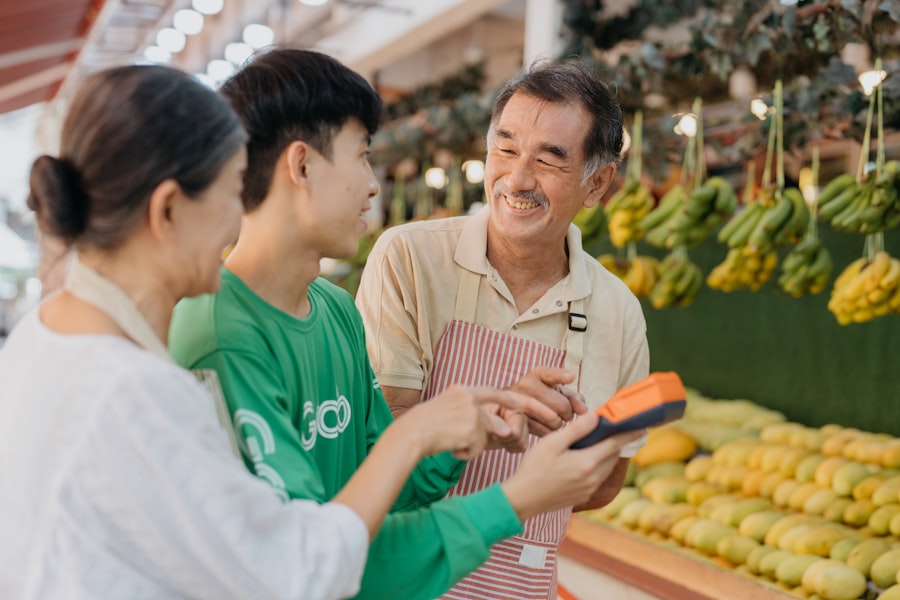
Creating a user-friendly interface is paramount for any app aiming to replicate the Glovo model. You want to ensure that your platform is intuitive and easy to navigate, allowing users to place orders with minimal effort. Start by focusing on the design elements; a clean layout with clear categories will help users find what they’re looking for quickly.
In addition to aesthetics, consider the overall functionality of your app. The ordering process should be streamlined, with as few steps as possible from selection to checkout.
You might also want to include features such as saved addresses and favorite orders to make repeat purchases effortless. Testing your interface with real users can provide valuable insights into potential pain points and areas for improvement. By prioritizing user experience in your design process, you can create an app that not only attracts users but also keeps them engaged and satisfied.
Establishing Partnerships with Restaurants
| Restaurant Name | Location | Number of Partnerships | Duration of Partnership |
|---|---|---|---|
| ABC Bistro | New York City | 15 | 6 months |
| XYZ Grill | Los Angeles | 10 | 1 year |
| 123 Cafe | Chicago | 20 | 3 months |
Establishing strong partnerships with local restaurants is essential for building a successful delivery service like Glovo. You need to curate a diverse selection of dining options that appeal to your target market. Start by reaching out to popular eateries in your area and presenting them with the benefits of joining your platform.
Highlight how partnering with you can increase their visibility and sales, especially among customers who prefer the convenience of delivery. Moreover, consider collaborating with smaller or niche restaurants that may not have their own delivery systems in place. By offering them a platform to reach new customers, you can create a mutually beneficial relationship that enhances your app’s offerings while supporting local businesses.
It’s also important to maintain open lines of communication with your restaurant partners, ensuring that they are satisfied with the arrangement and that any issues are addressed promptly. A strong network of restaurant partnerships will not only enrich your app’s menu but also contribute to its overall credibility and appeal.
Implementing a Seamless Delivery System
A seamless delivery system is at the heart of any successful on-demand service like Glovo. You need to develop an efficient logistics framework that ensures timely deliveries while minimizing operational costs. Start by recruiting reliable couriers who are familiar with the local area and can navigate efficiently through traffic and other obstacles.
Providing them with training on customer service and delivery protocols will enhance their performance and ensure a positive experience for users. In addition to managing couriers effectively, consider implementing technology solutions that optimize delivery routes in real-time. Utilizing GPS tracking and route optimization software can significantly reduce delivery times and improve overall efficiency.
You might also want to establish clear communication channels between couriers and customers, allowing for updates on order status and estimated delivery times. By focusing on creating a smooth delivery process, you can enhance customer satisfaction and encourage repeat business.
Incorporating Payment and Tracking Features

Incorporating robust payment and tracking features into your app is crucial for building trust and convenience among users. You want to offer multiple payment options, including credit cards, digital wallets, and cash on delivery, catering to various preferences. Ensuring that transactions are secure is paramount; investing in encryption technology will protect user data and foster confidence in your platform.
Tracking features are equally important; users should be able to monitor their orders in real-time from the moment they place them until they arrive at their doorstep. Providing updates through push notifications or SMS can keep customers informed and engaged throughout the process. Additionally, consider implementing a rating system where users can provide feedback on their delivery experience.
This not only helps you maintain quality control but also allows customers to feel heard and valued.
Marketing and Promoting the App
Marketing your app effectively is essential for attracting users and establishing a strong presence in the competitive delivery landscape. Start by developing a comprehensive marketing strategy that includes both online and offline channels. Social media platforms are powerful tools for reaching potential customers; consider running targeted ads that highlight your unique offerings or promotions.
Engaging content such as videos showcasing your delivery process or customer testimonials can also help build interest. In addition to digital marketing efforts, don’t underestimate the power of local promotions. Collaborating with restaurants for joint marketing campaigns or hosting community events can increase visibility and attract new users.
Offering referral bonuses or discounts for first-time customers can incentivize downloads and encourage word-of-mouth marketing. By employing a multifaceted approach to promotion, you can effectively raise awareness of your app and drive user engagement.
Ensuring Quality Customer Service
Quality customer service is a cornerstone of any successful delivery service like Glovo. You need to establish a responsive support system that addresses user inquiries and resolves issues promptly. Consider implementing multiple channels for customer support, such as live chat, email, and phone support, ensuring that users can reach out in their preferred manner.
Training your support team to handle various scenarios with empathy and efficiency is crucial for maintaining customer satisfaction. Encourage feedback from users regarding their experiences with both the app and delivery service; this information can provide valuable insights into areas for improvement. By prioritizing exceptional customer service, you not only enhance user loyalty but also create a positive reputation that can set your app apart from competitors in the market.
In conclusion, replicating the success of the Glovo model requires careful consideration of various elements ranging from understanding its core principles to ensuring quality customer service. By focusing on user experience, establishing strong partnerships, implementing efficient systems, and engaging in effective marketing strategies, you can create a compelling delivery service that meets the needs of modern consumers while fostering loyalty and growth in an increasingly competitive landscape.
If you’re considering developing a food delivery app similar to Glovo, integrating advanced technologies such as AI can significantly enhance the functionality and user experience of your app. A relevant resource to explore is an article on how AI can be integrated into app development. This article provides insights into the various ways AI can be utilized in apps, from improving user interactions to optimizing logistics, which are crucial aspects for a successful food delivery service. You can read more about this on AI Integration in App Development. This guide will help you understand the potential benefits and methodologies of incorporating AI into your app, ensuring you stay ahead in the competitive market.
FAQs
What is Glovo?
Glovo is a Spanish on-demand delivery app that allows users to order a wide variety of items, including food, groceries, and pharmaceuticals, and have them delivered to their location.
How does Glovo work?
Users can place an order through the Glovo app by selecting the items they want to purchase from local stores and restaurants. A Glovo courier then picks up the items and delivers them to the user’s specified location.
What features does Glovo offer?
Glovo offers features such as real-time tracking of orders, multiple payment options, a wide range of available items, and the ability to schedule deliveries in advance.
How can I develop a food delivery app like Glovo?
To develop a food delivery app like Glovo, you will need to create a user-friendly interface, integrate with local stores and restaurants, implement a reliable delivery system, and provide secure payment options. Additionally, you will need to consider legal and regulatory requirements for operating a delivery service.
What are the key challenges in developing a food delivery app like Glovo?
Key challenges in developing a food delivery app like Glovo include building a robust and scalable platform, ensuring efficient logistics and delivery operations, and establishing partnerships with local businesses for inventory and delivery services.
What are the potential benefits of developing a food delivery app like Glovo?
Developing a food delivery app like Glovo can provide opportunities for revenue generation through delivery fees and partnerships with local businesses. It can also offer convenience to users by providing access to a wide range of items for delivery.
