
As you navigate the ever-evolving landscape of education, you may have noticed the increasing presence of artificial intelligence (AI) chatbots. These digital assistants are not just a passing trend; they are reshaping how students learn and interact with educational content. AI chatbots are designed to simulate human conversation, providing immediate responses to queries and facilitating a more engaging learning experience.
Their integration into educational settings is transforming traditional methods of teaching and learning, making education more accessible and personalized. The rise of AI chatbots in education is driven by the need for innovative solutions to address various challenges faced by students and educators alike. With the growing demand for personalized learning experiences, these chatbots offer a unique opportunity to cater to individual needs.
They can provide instant feedback, answer questions, and guide students through complex topics, all while being available 24/7. As you delve deeper into the world of AI chatbots, you will discover how they are revolutionizing education and paving the way for a more interactive and efficient learning environment.
Virtual Tutors: How AI Chatbots are Revolutionizing One-on-One Learning
Imagine having a personal tutor available at any hour of the day, ready to assist you with your studies. This is precisely what AI chatbots offer as virtual tutors. They can engage in one-on-one learning experiences, providing tailored support that addresses your specific academic needs.
By utilizing natural language processing and machine learning algorithms, these chatbots can understand your questions and respond with relevant information, making the learning process more intuitive and effective. The benefits of virtual tutoring through AI chatbots extend beyond mere convenience. They can adapt to your learning pace, offering explanations and resources that align with your understanding.
If you struggle with a particular concept, the chatbot can provide additional practice problems or alternative explanations until you grasp the material. This personalized approach not only enhances comprehension but also fosters a sense of autonomy in your learning journey. As you interact with these virtual tutors, you may find that your confidence in tackling challenging subjects grows significantly.
Study Assistants: How AI Chatbots are Enhancing Student Productivity and Organization
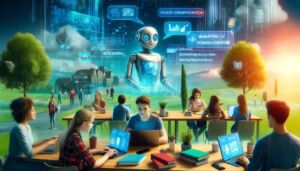
In today’s fast-paced academic environment, staying organized and managing time effectively can be daunting tasks. AI chatbots serve as invaluable study assistants, helping you streamline your study habits and enhance productivity. They can assist in creating study schedules, setting reminders for assignments, and even tracking your progress on various tasks.
By integrating seamlessly into your daily routine, these chatbots can help you maintain focus and stay on top of your academic responsibilities. Moreover, AI chatbots can provide resources tailored to your specific courses or subjects. Whether you need access to study materials, practice quizzes, or supplementary readings, these digital assistants can curate content that aligns with your curriculum.
This not only saves you time but also ensures that you have the right tools at your disposal to succeed academically. As you leverage the capabilities of AI chatbots as study assistants, you may find that your overall productivity increases, allowing you to achieve your academic goals more efficiently.
Personalized Learning: The Role of AI Chatbots in Catering to Individual Student Needs
One of the most significant advantages of AI chatbots in education is their ability to facilitate personalized learning experiences. Every student has unique strengths, weaknesses, and learning styles, and traditional classroom settings often struggle to accommodate these differences. However, AI chatbots can analyze your interactions and performance data to tailor their responses and recommendations accordingly.
This level of personalization ensures that you receive the support you need to thrive academically. For instance, if you excel in mathematics but find language arts challenging, an AI chatbot can adjust its focus to provide more resources and practice opportunities in language arts while maintaining your strengths in math. This adaptive learning approach not only enhances your understanding of difficult subjects but also keeps you engaged by presenting material that resonates with your interests and abilities.
As you experience this personalized learning journey, you may discover new passions and develop a deeper appreciation for subjects that once seemed daunting.
The Future of Education: Exploring the Potential of AI Chatbots in Classroom Settings
As you look toward the future of education, the potential for AI chatbots in classroom settings is both exciting and promising. These digital assistants can complement traditional teaching methods by providing real-time support during lessons. Imagine a classroom where students can ask questions through a chatbot while the teacher delivers a lecture, ensuring that no one feels left behind or hesitant to seek clarification.
This dynamic interaction can foster a more inclusive learning environment where every student feels empowered to participate. Furthermore, AI chatbots can assist teachers by automating administrative tasks such as grading quizzes or tracking attendance. This allows educators to focus more on instruction and student engagement rather than getting bogged down by paperwork.
As technology continues to advance, the integration of AI chatbots into classroom settings could lead to a more efficient educational system that prioritizes student needs while alleviating some of the burdens on teachers.
Challenges and Limitations: Considerations for Implementing AI Chatbots in Education
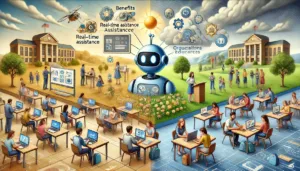
While the benefits of AI chatbots in education are substantial, it is essential to acknowledge the challenges and limitations associated with their implementation. One significant concern is the potential for over-reliance on technology. As students increasingly turn to chatbots for assistance, there is a risk that they may neglect critical thinking skills or problem-solving abilities that are best developed through human interaction and traditional learning methods.
Additionally, the effectiveness of AI chatbots largely depends on their design and programming. If a chatbot is not adequately trained or lacks access to relevant data, it may provide inaccurate or unhelpful responses. This could lead to frustration among students who rely on these tools for support.
Therefore, it is crucial for educational institutions to invest in high-quality chatbot development and ensure that they are regularly updated to reflect current curricula and best practices.
Also Checkout: Homeworkify Shutdown: What Happened and the Best Alternatives
Ethical and Privacy Concerns: Addressing the Risks of AI Chatbots in Educational Settings
As with any technology that collects data from users, ethical and privacy concerns surrounding AI chatbots in education cannot be overlooked. When you interact with a chatbot, it may gather personal information about your learning habits, preferences, and even sensitive data related to your academic performance. This raises questions about data security and how this information is stored and used by educational institutions.
To address these concerns, it is vital for schools and universities to establish clear policies regarding data privacy and security when implementing AI chatbots. Transparency about how data is collected, stored, and utilized can help build trust between students and educational institutions. Additionally, ensuring compliance with regulations such as the Family Educational Rights and Privacy Act (FERPA) is essential in safeguarding student information while still reaping the benefits of AI technology.
The Impact of AI Chatbots on the Future of Education
As you reflect on the role of AI chatbots in education, it becomes evident that they hold significant potential to transform the learning experience for students across various levels. From serving as virtual tutors to enhancing productivity as study assistants, these digital tools are paving the way for personalized learning experiences that cater to individual needs. While challenges such as over-reliance on technology and ethical concerns must be addressed, the benefits far outweigh the drawbacks when implemented thoughtfully.
The future of education is undoubtedly intertwined with advancements in technology, and AI chatbots are at the forefront of this evolution. By embracing these innovative tools, educational institutions can create more engaging, efficient, and inclusive learning environments that empower students to reach their full potential. As you continue your educational journey, consider how AI chatbots might enhance your experience and contribute to a brighter future for learners everywhere.
AI chatbots are not only transforming education but also revolutionizing the business world. In a related article on BI consulting, the potential of artificial intelligence in helping businesses make data-driven decisions is explored. Just as chatbots are providing personalized learning experiences for students, BI consulting is enabling companies to analyze and interpret data to drive growth and success. The intersection of AI technology in both education and business is reshaping the way we learn and work in the digital age.
FAQs
What are AI chatbots in education?
AI chatbots in education are virtual assistants powered by artificial intelligence that are designed to interact with students and provide support in various educational tasks. These chatbots can act as virtual tutors, study assistants, or even administrative assistants, helping students with their learning process.
How do AI chatbots benefit education?
AI chatbots can benefit education in several ways, including providing personalized learning experiences, offering 24/7 support to students, automating administrative tasks, and helping to identify and address learning gaps in students.
What are some examples of AI chatbots in education?
Some examples of AI chatbots in education include virtual tutors that help students with homework and study materials, study assistants that provide personalized learning recommendations, and administrative chatbots that assist with tasks such as course registration and scheduling.
How do AI chatbots improve student learning outcomes?
AI chatbots can improve student learning outcomes by providing personalized support and feedback, identifying areas where students may need additional help, and offering interactive and engaging learning experiences.
What are the potential challenges of using AI chatbots in education?
Some potential challenges of using AI chatbots in education include concerns about data privacy and security, the need for effective integration with existing educational systems, and the potential for chatbots to replace human interaction in the learning process.
